

It’s 3pm. You’re staring at your screen, fogged out, reaching for something sweet – third day this week.
You tell yourself it’s stress.
But what if it’s not stress at all? What if, behind the scenes, your pancreas has quietly been working harder and harder for years – pumping out more and more insulin every time a meal sends your blood sugar climbing – and the fog, the craving, the crash, is what that effort finally feels like?
Today: why your pancreas might already be overworked without you knowing it, and the two small changes that take the pressure off.
A Familiar Afternoon
Picture Hannah. Forty-one. A pharmacist.
She spends her days telling other people how to manage their health.
Today, like most days, she’s behind the counter at 3:58pm. The fog has rolled in right on schedule. There’s a bowl of candy by the register, meant for customers’ kids. Her hand is already moving toward it before she’s decided anything. It’s not hunger, exactly. It’s something closer to urgency – a flat, foggy feeling that wants quieting, fast. She’ll eat dinner in half an hour. She knows that. It doesn’t seem to matter.
She’s not overweight. Her last blood test came back “normal.” On paper, there’s nothing wrong with Hannah.
But she’s noticed a pattern she can’t explain. The crash. The 4pm sweet craving that’s gotten harder to ignore each year. Some evenings, a kind of edge – “hangry,” within twenty minutes of getting home, even though dinner is half an hour away.
She’s filed it under stress. Under work. Under getting older. Those explanations aren’t unreasonable – work has genuinely been harder lately, and she isn’t as young as she was. But here’s what doesn’t quite add up: the crash shows up at almost exactly the same time, almost every day, regardless of how the morning went. A calm week. A chaotic week. A week she slept well. The timing barely moves. That’s not really what stress usually looks like – stress tends to be messy, unpredictable. This is closer to a pattern with a schedule.
She’s tried the obvious fixes, too. More coffee, which helps for maybe forty minutes before making the crash worse. Cutting carbs completely, for about ten days, before life got in the way. None of it stuck, and none of it explained why this kept happening in the first place.
Here’s what nobody’s told her: this exact pattern – the reliable crash, the specific time, the craving that’s grown louder year by year – is one of the most common, recognisable things there is. Common enough that several other people on her own street are probably living some version of this same afternoon, without ever connecting the dots either. And it has almost nothing to do with willpower.
There’s a slow shift that happens in how the body handles sugar – and it can be underway for years before anything shows up on a standard check-up. It builds quietly, meal by meal, in a way that’s almost impossible to notice from the inside – which is exactly why someone like Hannah, whose entire job is noticing what other people’s bodies are telling her, hasn’t caught it in her own.
Hannah’s body isn’t malfunctioning. It’s compensating – and the reason that compensation hides so well is almost elegant once you see it.
What’s Actually Happening Inside Your Body
Here’s what’s actually happening, in plain terms.
Quick definition before we go further: carbohydrate just means the starchy or sugary part of food – things like rice, bread, pasta, potatoes, fruit, and anything sweet. It’s not a villain; it’s just the part of your meal your body converts into sugar fastest.
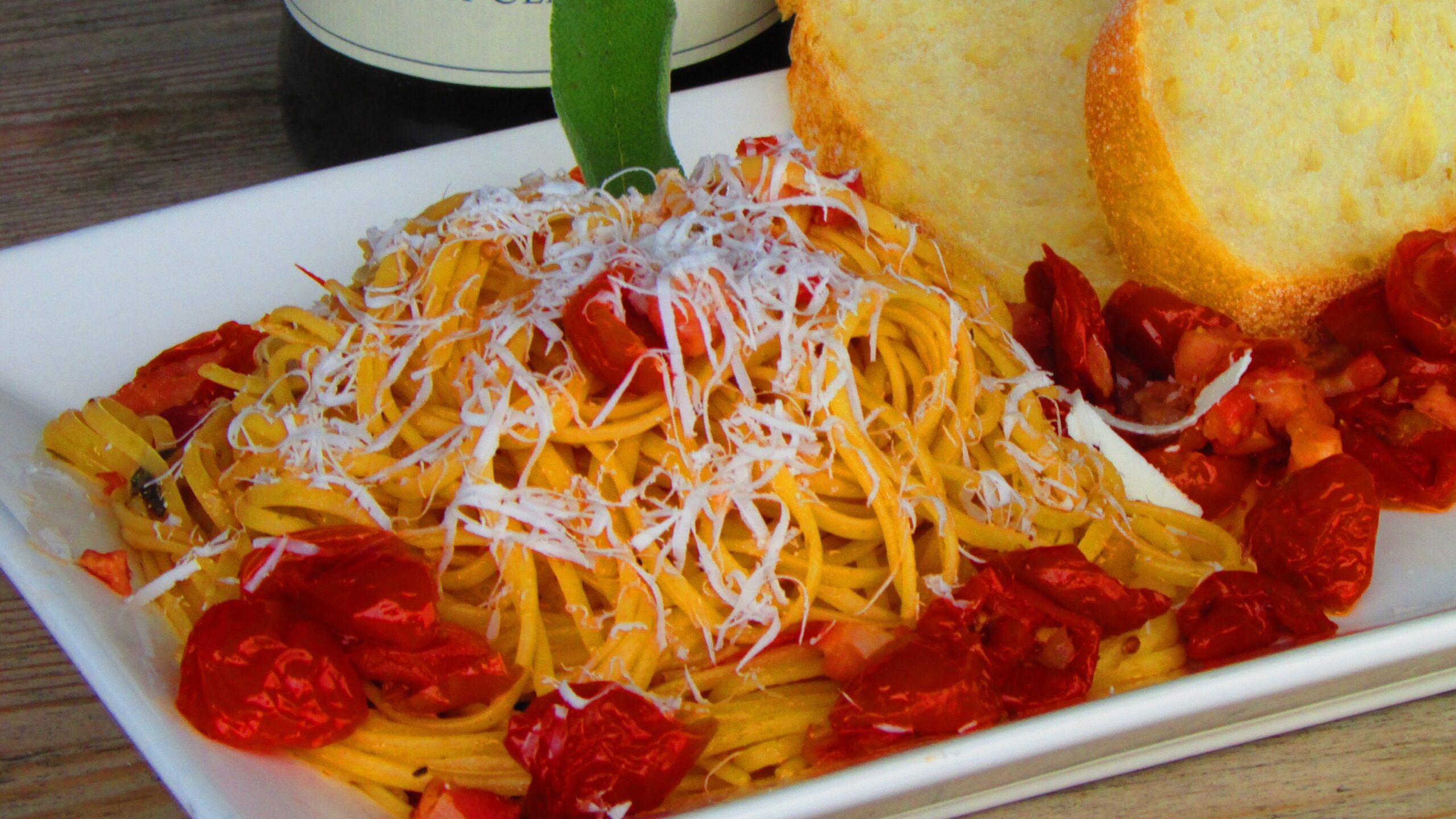
Every time you eat carbohydrate, your blood sugar rises. Your pancreas responds by releasing insulin – a hormone whose job is basically to knock on the door of your cells and say: open up, take this in, use it or store it. In a system that’s working well, that knock gets answered fast. Sugar goes where it’s needed. Blood sugar comes back down. Done, within an hour or two.
Insulin resistance is what happens when your cells – especially in the liver, muscles, and fat tissue – start answering that knock a little slower. The door gets harder to open. So your pancreas does the only thing it knows how to do: it knocks louder. It releases more insulin to get the same result.
And here’s the part that explains why this hides so well – for years, that extra effort works. Your blood sugar can test completely normal, because your pancreas is quietly compensating behind the scenes. The standard test checks the outcome. It doesn’t check how hard your body had to work to get there.
This is also part of why two people can eat the exact same lunch and feel completely different an hour later. One person’s cells answer the knock quickly. The other’s pancreas is having to shout to get heard – and that shouting isn’t free. It takes real physiological effort, and a lot of the fatigue that follows isn’t really about the sugar itself. It’s the cost of producing extra insulin, meal after meal, just to keep blood sugar from climbing too high.
So how common is this? Researchers who pooled data across multiple countries recently put the number at roughly one in four adults globally. A 2022 analysis of U.S. national health survey data, looking specifically at adults aged 18 to 44, put the figure closer to four in ten – and the reasons it’s this widespread go beyond rising body weight alone: less daily movement, blood pressure, and cholesterol all play a role too.
Think of it like a smoke detector with a slowly dying battery. It still works. It still beeps. It just needs a bigger trigger to go off – and you don’t notice the battery’s failing until the day it doesn’t beep at all.
Left alone long enough, this pattern is generally considered an early stage on the road toward type 2 diabetes, sometimes a decade or more before any diagnosis. It’s also tied to higher blood pressure, unfavourable cholesterol, and a liver condition called fatty liver disease – medically defined as a distinct condition known as metabolic dysfunction-associated steatotic liver disease, what doctors used to call non-alcoholic fatty liver disease – which one major global analysis estimated affected around 1.24 billion people worldwide as of 2019, a figure that’s climbed steadily for decades alongside rising rates of obesity and insulin resistance.
None of that means one biscuit, one bad afternoon, does lasting damage. The point is what happens when the same small pattern repeats for years – and that raises an uncomfortable question. If your pancreas is the one working overtime here, why does almost all the advice out there talk to your willpower instead?
It’s Not About Willpower
Most people who notice the crash, the craving, the hanger, reach for the same explanation: try harder. Eat less sugar. Have more discipline. It’s an understandable conclusion – cravings feel like a discipline problem from the inside, a sudden urge, a moment of giving in.
That’s not entirely wrong, to be fair. If someone’s regularly reaching for sugary drinks, sweets, or heavily processed food because it’s quick and easy, that’s a real, controllable factor, and it does make this pattern worse over time. That part is worth being honest about, not waved away.
But here’s the gap in the willpower explanation: plenty of people who are already eating carefully – watching portions, choosing whole foods, doing the things they’ve been told to do – still hit this exact wall, every afternoon, on schedule. For them, the issue isn’t that they need more discipline. It’s that discipline was never really the lever for this particular mechanism. Hannah isn’t failing at something. Her body is compensating for something, and compensation has limits.
This is part of why so many people who are already doing the obvious things right stay stuck on this exact loop for years: they blame themselves anyway, push a little harder for a week or two, and then quietly give up when the crash shows up again regardless.
What looks like one problem on the surface usually turns out to be several, once you start pulling at the threads. A late night last week. A stressful meeting this morning. A walk you didn’t take after lunch. Each one nudges this same dial – and none of it is a coincidence. It’s one system, showing up in different places.
The food itself matters, obviously – that’s what the rest of this article is about. But two other dials are worth naming clearly, because we go deep on each of them elsewhere in this series.
The Sleep Connection
The first is sleep. When researchers cut healthy young men’s sleep down to four hours a night for a couple of nights, under tightly controlled conditions, they measured real shifts in the hormones that regulate hunger: leptin – the hormone that signals “you’ve had enough” – dropped by close to a fifth, while ghrelin, which drives hunger, rose by more than a quarter. Appetite specifically for calorie-dense, high-carbohydrate food rose even further. It was a small, tightly controlled study, and later research done under more normal, free-eating conditions hasn’t always found the exact same hormone shifts – so the precise mechanism is still debated. But the broader real-world pattern, that short sleep reliably pushes people toward sugary, carb-heavy food the next day, has held up well across a lot of independent research since. We unpack all of this – and what actually helps – in our episode on sleep, Rhythm.
The Stress Connection
The second is stress. Researchers studying chronic stress found a consistent pattern, first in rats and then, with a different kind of evidence, in people: in animal studies, sustained high cortisol – the body’s main stress hormone – reliably increased the animals’ preference for calorie-dense food high in sugar and fat. In a related human study, women with the highest chronic life stress and the most abdominal fat showed a blunted cortisol response to acute stress – a physiological pattern researchers interpret as consistent with comfort food acting as a kind of self-medication for the stress response, even though that particular study measured the hormonal aftermath rather than people reaching for food in real time. Many people notice the pull toward something sweet is strongest by evening, once the day’s stress has piled up. And there’s a knock-on effect worth knowing: eating something high in fast-absorbing sugar close to bedtime can send blood sugar up sharply and then back down – and as it falls, hormones that respond to falling blood sugar, adrenaline foremost among them and cortisol more gradually, kick in to bring it back up. Those hormones promote alertness, which is the opposite of what you want right before sleep. That’s a plausible mechanism behind something a lot of people sense intuitively: a stressful day, a sugary evening snack, and then a worse night’s sleep than expected – and it lines up with at least one study of 100 female university students, which found that higher added sugar intake was significantly associated with poorer sleep quality. We go deeper into the stress side of this – and how to interrupt it – in our episode on stress, Mind.
Put those two together and you get a loop that runs itself: a stressful day increases the pull toward sugary food in the evening; that food, eaten late, can disrupt sleep; poor sleep shifts the next day’s hunger hormones toward more carb cravings; which makes the next stressful day a little harder to manage without reaching for something sweet again. None of this is about anyone’s willpower. It’s a self-perpetuating cycle running quietly in the background – and once you can see it, it’s much easier to interrupt at any one of its points.
There’s nothing wrong with a body that needs more insulin than someone else’s might – bodies vary. What matters isn’t comparing yourself to some imaginary “normal.” It’s noticing your own pattern, and giving it slightly different inputs. So here’s what actually helps – and it’s smaller than you’d expect.
What Actually Helps
Let’s get specific, because vague advice like “watch your carbs” doesn’t tell you much on its own.
The carbs on most people’s plates most often are rice, bread, pasta, and potatoes. Whether you eat one of these on its own, or – and this is the part that surprises people – mixed into a normal plate with sauce, meat, and vegetables all together, the typical result is still a fairly fast rise in blood sugar. That’s because all of it tends to hit your gut at roughly the same time, even on a “balanced” plate, if nothing is slowing the carbohydrate down ahead of it.
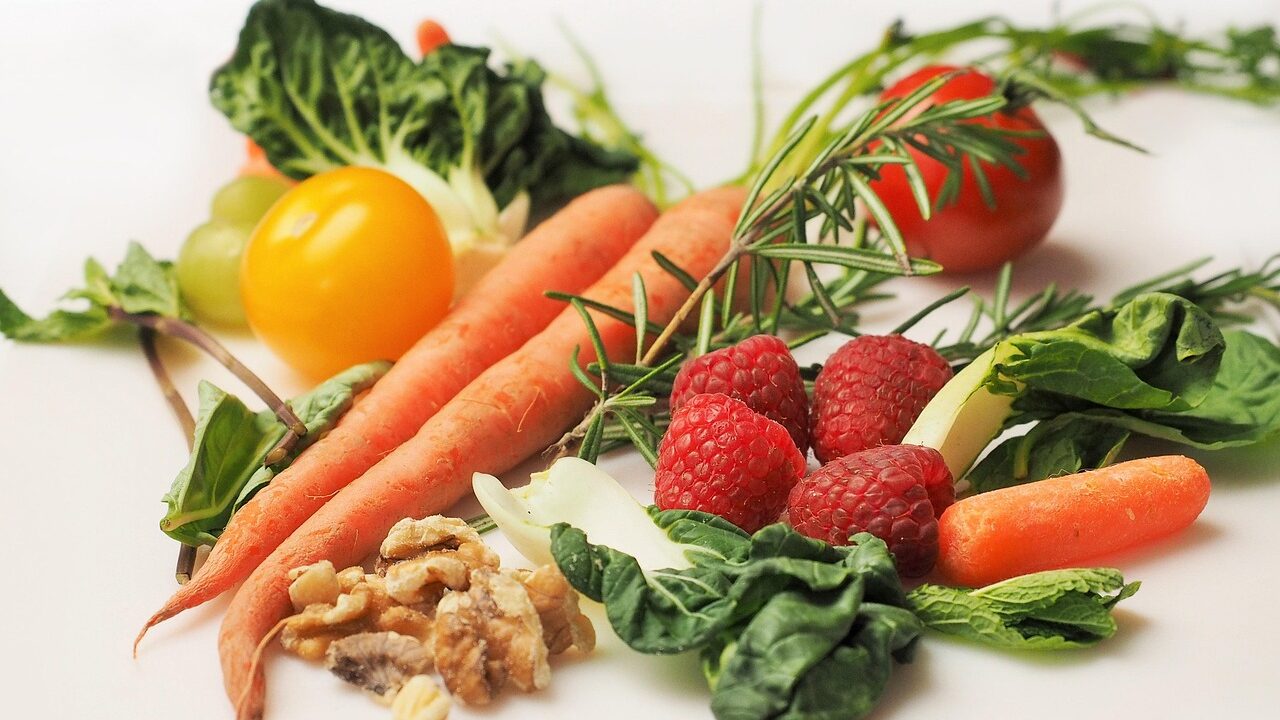
What changes that is starting the meal with a small amount of raw vegetable, with no dressing, eaten a few minutes before anything else. Researchers who tested vegetables-first, protein-next, rice-or-bread-last sequencing directly – including a trial in Japan with people who had type 2 diabetes alongside others with normal blood sugar – found measurably smaller blood sugar swings than when the same foods were eaten in reverse order, carbohydrate first. A separate U.S. trial in adults with type 2 diabetes, using a typical Western meal, found something similar: eating the protein and vegetables first and the carbohydrate last brought blood sugar down by about 29% at the half-hour mark and 37% at the one-hour mark compared with eating the carbohydrate first, with insulin levels also significantly lower. The fiber in the vegetables appears to slow how fast your stomach empties into your gut, which gives your pancreas more time to keep up rather than being hit all at once.
If raw vegetables aren’t practical – say, you’re stuck with a work canteen – a few other easy starters do something similar: a small handful of plain nuts, a hard-boiled egg, or a piece of whole fruit like an apple, eaten a few minutes before the rest of the meal. Researchers testing whole fruit eaten this way, before a carbohydrate-heavy meal, found it measurably softened the glucose rise that followed compared with a water-only reference. None of these need real prep. The point isn’t the specific food – it’s giving your gut something to slow things down with, on the days the meal itself won’t.
A Word on Sweets and Sugary Drinks

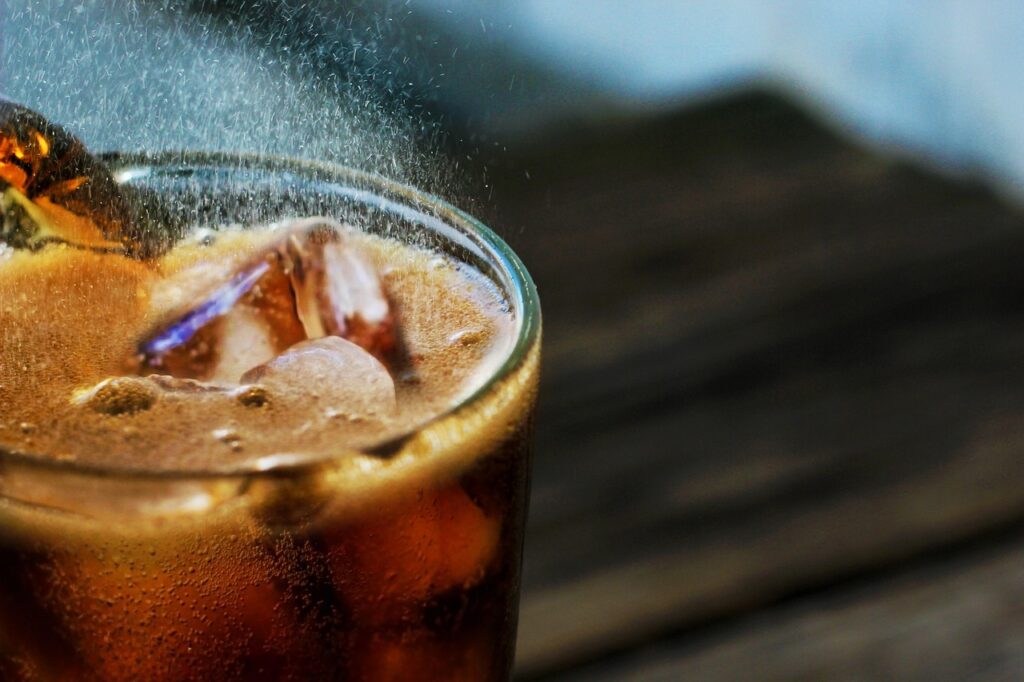
Sweets and sugary drinks work on a related but more direct version of the same mechanism, and it’s worth being plain about it: this isn’t really about when you have them. It’s about what they do the moment they hit your system. A can of soda, a glass of juice, or a slice of cake delivers a concentrated amount of sugar with little or nothing – no fiber, often little fat or protein – to slow its path into your bloodstream. That produces exactly the kind of fast, steep blood sugar rise we discussed earlier, and your pancreas has to answer with a correspondingly large, fast surge of insulin to bring it back down. It’s the same “knock louder” effort from earlier, just compressed into a few minutes instead of spread across a meal.
This isn’t only a theoretical concern. A study of more than 7,800 adults in Spain found that, even after accounting for body weight, drinking one additional daily serving of a sugar-sweetened beverage was tied to measurably higher fasting insulin and clearer signs of insulin resistance in men, and in women who weren’t overweight. Separately from how much sugar adds up to over time, researchers studying glucose patterns in people with diabetes have also found that it’s specifically the swings – how fast blood sugar rises and falls, not just the total amount consumed – that are linked to oxidative stress and strain on blood vessels, independent of average blood sugar levels. That gives a second, mechanistic reason to think about these foods beyond the calories or grams of sugar involved: a sharp spike and crash appears to put more strain on the system than the same amount of sugar would if it arrived more gradually.
One more thing worth being specific about: sugary sodas and fruit juice in particular. These deliver sugar in liquid form, with little or no fibre attached to slow it down – which matters more than people assume. A large 2025 analysis pooling data from nearly 30 long-term studies and over 800,000 people found that each additional daily soda was associated with a 25% higher risk of developing type 2 diabetes over time, and each additional daily glass of fruit juice with about a 5% higher risk – even after accounting for body weight and overall calorie intake. The same analysis found that sugar eaten as part of solid food didn’t carry that same risk; total sugar and table sugar intake from food actually leaned slightly protective by comparison, likely because in solid food it tends to arrive already paired with fiber, fat, or protein that slows it down. Fruit juice still carries real nutrients from the fruit, so this isn’t the same as saying it’s identical to soda – but glycemically, stripped of the fibre that comes with the whole fruit, it behaves a lot more like a sugary drink than like the apple or orange it came from.
None of this means a piece of cake or a soda now and then causes lasting damage – nobody’s pancreas is wrecked by one afternoon. But given what these drinks and concentrated sweets specifically do to the size and speed of a blood sugar swing, and what that kind of swing has been linked to, cutting back on how often they show up is the more useful target here – more useful than trying to time them carefully around a meal. If you’re craving something sweet regularly, the research points toward reaching for whole fruit more often, since it carries real sweetness with the fiber already built in.
Most of what’s in this section doesn’t ask for more discipline than Hannah already has – starting with vegetables, reaching for a piece of fruit before a carb-heavy lunch, that’s sequencing, not restriction. Sugary drinks and very sweet desserts are the one place here where the evidence points toward simply having less of them, rather than reordering when they happen, because it’s the size and speed of the spike itself that puts the most strain on the pancreas – not what surrounds it on the plate.
Hannah’s Small Changes
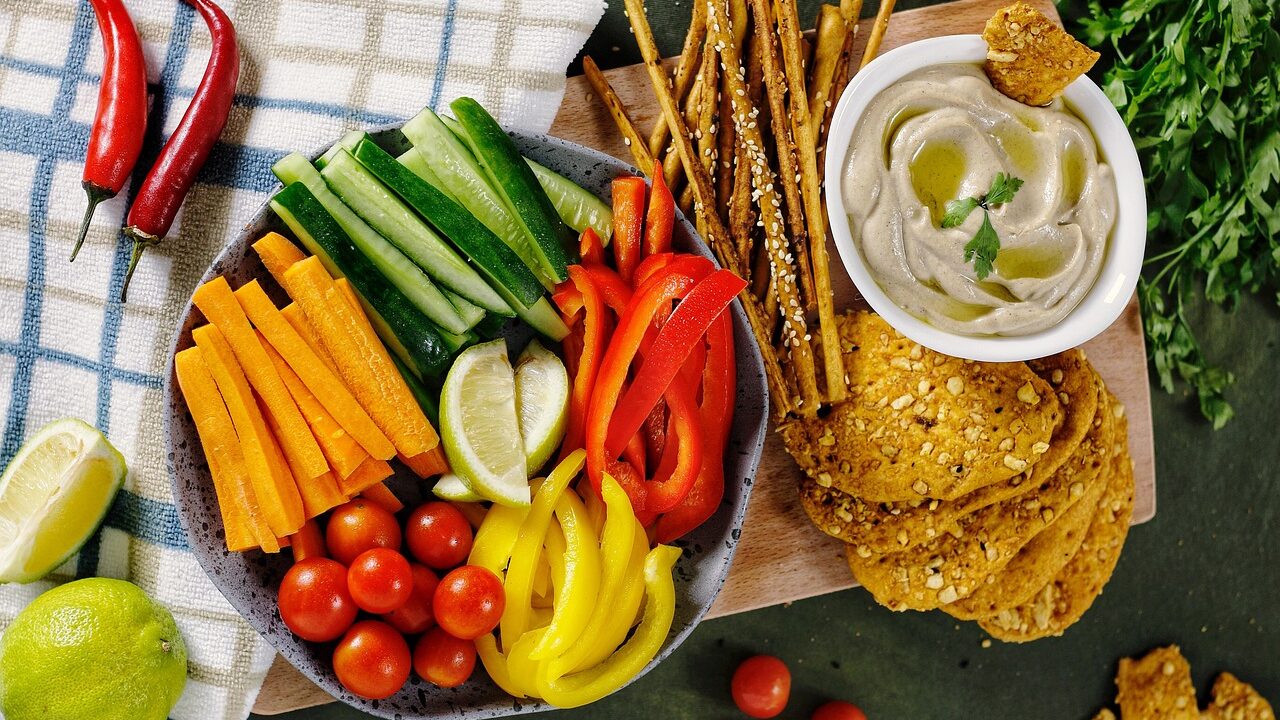
Hannah didn’t overhaul what she ate. She kept a small bag of carrot sticks in her bag for the days the canteen let her down, swapped her lonely 4pm trip to the candy bowl for a piece of fruit most days, and started treating soda as an occasional thing rather than a daily one.
The 4pm crash didn’t vanish. But it got smaller. Quieter. Some days, she barely notices it at all.
If you recognise Hannah in yourself – or in someone you know – that’s worth paying attention to, and worth a real conversation at your next check-up.
If you want to follow the other threads we touched on today – how a sleepless night quietly turns up tomorrow’s cravings, or how a stressful day finds its way into tonight’s snack drawer – that’s exactly what our Rhythm and Mind episodes dig into, and you can find them at www.yourspace.today.
Because here’s something worth knowing: you can be at a completely normal weight and still be carrying this same hidden pattern. If you want to understand why the number on the scale doesn’t always tell the truth about what’s happening underneath it, that’s coming up next.
This is Your Space Today – delivering the science-backed clarity you need every week because your health journey deserves expert guidance. If you found value in this article, I’d really appreciate it if you’d share it with friends or family who might be struggling with similar issues. Sometimes, understanding that we’re not alone in this struggle, and that there are real, science-based explanations for what we’re experiencing – that knowledge alone can be incredibly empowering.
This article is for educational purposes only and does not constitute medical advice, diagnosis, or treatment. Always consult with your healthcare provider regarding any health concerns. You can find detailed information here.
Thank you so much for spending this time with me today. Until next time, take care of yourself. You deserve it.
Scientific References
If you’d like to explore the research behind this episode, here are selected peer-reviewed studies supporting the key points discussed.
- Alahmary, S.A., Alduhaylib, S.A., Alkawii, H.A., Olwani, M.M., Shablan, R.A., Ayoub, H.M., Purayidathil, T.S., Abuzaid, O.I., & Khattab, R.Y. (2022). Relationship Between Added Sugar Intake and Sleep Quality Among University Students: A Cross-sectional Study. American Journal of Lifestyle Medicine, 16(1), 122–129. https://journals.sagepub.com/doi/abs/10.1177/1559827619870476
- Ballena-Caicedo, J., et al. (2025). Global prevalence of insulin resistance in the adult population: a systematic review and meta-analysis. Frontiers in Endocrinology, 16. https://www.frontiersin.org/journals/endocrinology/articles/10.3389/fendo.2025.1646258/full
- Chaput, J.P., & St-Onge, M.P. Increased Food Intake by Insufficient Sleep in Humans: Are We Jumping the Gun on the Hormonal Explanation? [Discusses limited replication of ghrelin/leptin shifts under free-eating conditions.] https://www.ncbi.nlm.nih.gov/pmc/articles/PMC4098122/
- Dallman, M.F., Pecoraro, N., Akana, S.F., La Fleur, S.E., Gomez, F., Houshyar, H., Bell, M.E., Bhatnagar, S., Laugero, K.D., & Manalo, S. (2003). Chronic stress and obesity: a new view of “comfort food.” Proceedings of the National Academy of Sciences, 100(20), 11696–11701. https://www.pnas.org/doi/10.1073/pnas.1934666100
- Della Corte, K.A., Bosler, T., McClure, C., Buyken, A.E., LeCheminant, J.D., Schwingshackl, L., & Della Corte, D. (2025). Dietary Sugar Intake and Incident Type 2 Diabetes Risk: A Systematic Review and Dose-Response Meta-Analysis of Prospective Cohort Studies. Advances in Nutrition, 16(5), 100413. https://pmc.ncbi.nlm.nih.gov/articles/PMC12145082/
- Elrayess, M.A., Toor, S.M., Albagha, O., & Aliyu, U. (2025). Evaluating indices of insulin resistance and estimating the prevalence of insulin resistance in a large biobank cohort. Frontiers in Endocrinology. [Qatar Biobank population; cited for general HOMA-IR/age-prevalence methodology, not the U.S. figure above.] https://www.frontiersin.org/journals/endocrinology/articles/10.3389/fendo.2025.1591677/full
- Freeman, A.M., Acevedo, L.A., & Pennings, N. Insulin Resistance. StatPearls. National Center for Biotechnology Information (NCBI Bookshelf). https://www.ncbi.nlm.nih.gov/books/NBK507839/
- Imai, S., et al. (2013). Eating vegetables before carbohydrates improves postprandial glucose excursions. Diabetic Medicine, 30(3), 370–372. [Trial including both people with type 2 diabetes and people with normal glucose tolerance.] https://www.ncbi.nlm.nih.gov/pmc/articles/PMC3674531/
- Lana, A., Rodríguez-Artalejo, F., & Lopez-Garcia, E. (2014). Consumption of sugar-sweetened beverages is positively related to insulin resistance and higher plasma leptin concentrations in men and nonoverweight women. Journal of Nutrition, 144(7), 1099–1105. https://pubmed.ncbi.nlm.nih.gov/24828025/
- Lu, X., Lu, J., Fan, Z., Liu, A., Zhao, W., Wu, Y., & Zhu, R. (2021). Both Isocarbohydrate and Hypercarbohydrate Fruit Preloads Curbed Postprandial Glycemic Excursion in Healthy Subjects. Nutrients, 13(7), 2470. https://www.ncbi.nlm.nih.gov/pmc/articles/PMC8308803/
- Monnier, L., Mas, E., Ginet, C., Michel, F., Villon, L., Cristol, J.P., & Colette, C. (2006). Activation of oxidative stress by acute glucose fluctuations compared with sustained chronic hyperglycemia in patients with type 2 diabetes. JAMA, 295(14), 1681–1687. https://jamanetwork.com/journals/jama/fullarticle/202670
- Paik, J.M., Henry, L., Younossi, Y., Ong, J., Alqahtani, S., & Younossi, Z.M. (2023). The burden of nonalcoholic fatty liver disease (NAFLD) is rapidly growing in every region of the world from 1990 to 2019. Hepatology Communications, 7(10), e0251. https://pmc.ncbi.nlm.nih.gov/articles/PMC10545420/
- Parcha, V., Heindl, B., Kalra, R., Li, P., Gower, B., Arora, G., & Arora, P. (2022). Insulin Resistance and Cardiometabolic Risk Profile Among Nondiabetic American Young Adults: Insights From NHANES. Journal of Clinical Endocrinology & Metabolism, 107(1), e25–e37. https://pubmed.ncbi.nlm.nih.gov/34473288/
- Shukla, A.P., Iliescu, R.G., Thomas, C.E., & Aronne, L.J. (2015). Food Order Has a Significant Impact on Postprandial Glucose and Insulin Levels. Diabetes Care, 38(7), e98–e99. https://diabetesjournals.org/care/article/38/7/e98/30914/Food-Order-Has-a-Significant-Impact-on
- Spiegel, K., Tasali, E., Penev, P., & Van Cauter, E. (2004). Brief Communication: Sleep Curtailment in Healthy Young Men Is Associated with Decreased Leptin Levels, Elevated Ghrelin Levels, and Increased Hunger and Appetite. Annals of Internal Medicine, 141(11), 846–850. https://www.acpjournals.org/doi/10.7326/0003-4819-141-11-200412070-00008
- Tomiyama, A.J., Dallman, M.F., & Epel, E.S. (2011). Comfort food is comforting to those most stressed: Evidence of the chronic stress response network in high stress women. Psychoneuroendocrinology. [Human study; measured cortisol reactivity and abdominal fat, not direct food-seeking behavior.] https://www.sciencedirect.com/science/article/abs/pii/S0306453011001296