
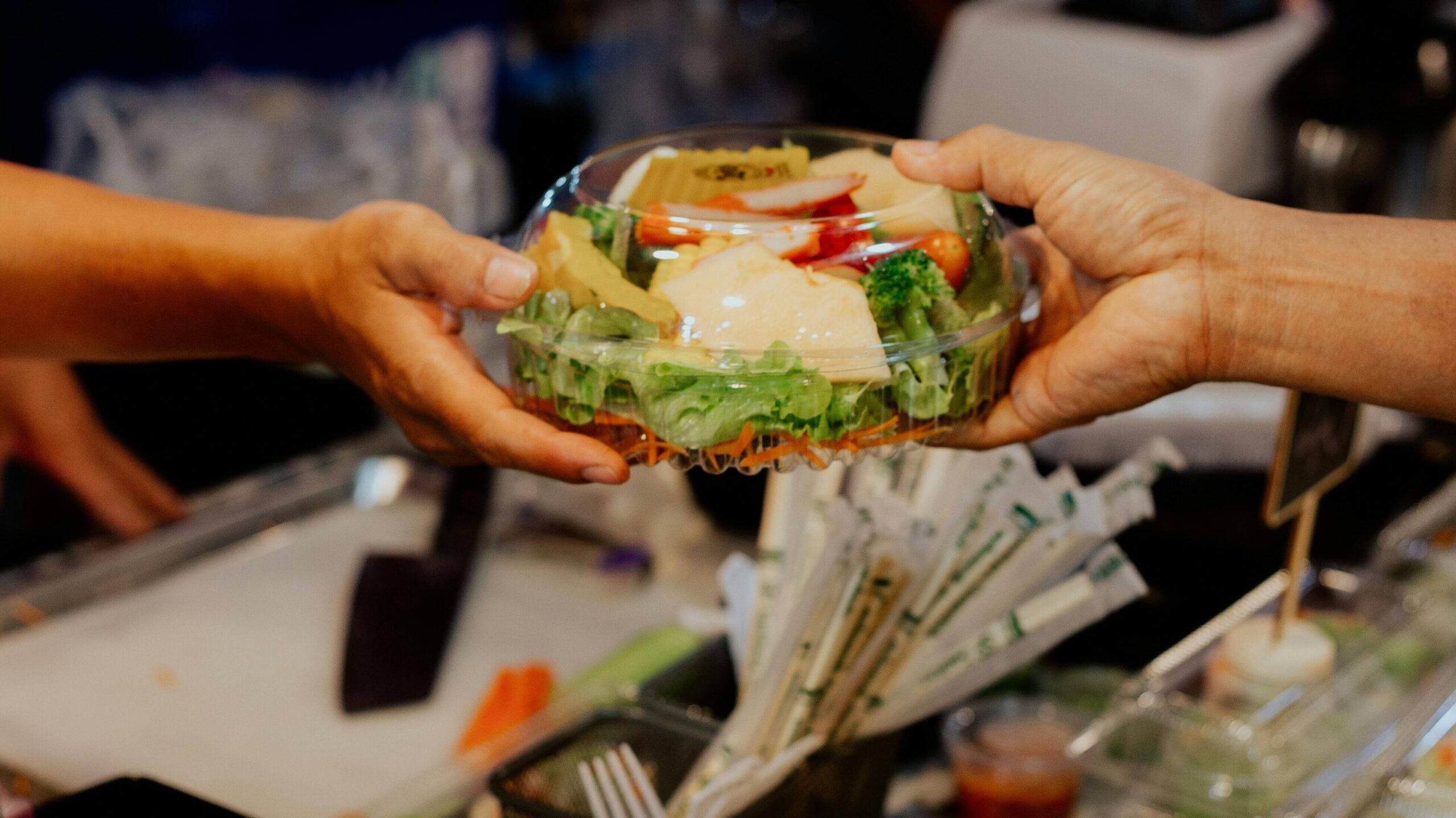
Meet James. He’s 40, works in IT, and considers himself health-conscious. A year ago, he made what seemed like a smart decision: no more skipped meals, no more fast food runs. He committed to eating three regular, balanced meals every day.
Every Sunday, he carefully fills his shopping cart with what look like responsible choices: pre-made Caesar salads with grilled chicken, frozen lasagna labeled “made with real vegetables,” microwaveable rice bowls, protein bars promising “all-natural ingredients.” He’s proud of these choices. He’s feeding himself real meals, not grabbing burgers from a drive-through.
Monday evening, exhausted after back-to-back meetings, James pulls a Caesar salad from his fridge. It looks fresh – crisp lettuce, grilled chicken strips, parmesan cheese, crunchy croutons. He drizzles the included dressing and sits down to what feels like a virtuous dinner.
Within an hour, something feels wrong. His stomach bloats. By 8 PM, he’s inexplicably hungry again despite just eating a complete meal. His brain feels foggy – he can’t focus on the show he’s watching. By Friday, when he steps on the scale, he’s gained four pounds despite eating his planned meals and staying within his calorie target.
James is confused and frustrated. He’s doing everything right, isn’t he?
The answer lies in something James doesn’t understand yet: nearly everything in his shopping cart is ultra-processed food. And these industrial formulations are quietly dismantling his health from the inside out.
What Are Ultra-Processed Foods?
The term “ultra-processed food” was formally defined in 2009 by Brazilian researcher Carlos Monteiro and his team through the NOVA classification system. These aren’t just “processed” foods. Canned beans are processed. Frozen vegetables are processed. Those are fine – they’re whole foods preserved through simple methods.
Ultra-processed foods are fundamentally different. They’re industrial formulations made predominantly from substances extracted from foods or derived from food constituents, with little if any intact whole food. They typically contain five or more ingredients, many of which you would never use in home cooking. They couldn’t exist outside of an industrial setting.
Large reviews now link higher intake of these ultra-processed products to higher risks of obesity, type 2 diabetes, cardiovascular disease, some cancers, and depression. This isn’t fringe science – it’s where the evidence is pointing.
Let’s dissect James’s “healthy” Caesar salad to understand what this means.
The dressing contains seventeen ingredients: soybean oil, water, parmesan cheese, distilled vinegar, sugar, salt, egg yolks, modified food starch, monosodium glutamate, xanthan gum, natural flavors, spice, citric acid, potassium sorbate and calcium disodium EDTA (as preservatives), lemon juice concentrate.
Traditional Caesar dressing requires six ingredients: oil, egg, garlic, lemon juice, parmesan, and anchovies. So what are the other eleven doing there?
Modified food starch has been chemically altered to create thickness without using cream. Xanthan gum prevents separation in ways natural emulsion wouldn’t. MSG and “natural flavors” – a catch-all term that can include dozens of chemical compounds – create intense taste sensations without using expensive real ingredients.
Even the chicken isn’t what it seems. The ingredient list includes: chicken breast with rib meat, water, modified food starch, salt, sodium phosphates, natural flavors.
Why does chicken need modified starch and sodium phosphates? Because manufacturers inject it with water to increase weight – you’re literally paying chicken prices for water – and need chemicals to make that water stay in the meat.
Here’s the critical test: Could you make this exact product in your home kitchen using ingredients available at a regular grocery store?
James could make a delicious Caesar salad at home. But he couldn’t replicate the supermarket version because he doesn’t have access to modified food starches, flavor enhancers, stabilizers, and the specific industrial processes that create that particular taste and texture.
This inability to replicate a product at home is your red flag. It means you’re consuming something engineered in ways that have nothing to do with traditional food preparation.
The Flavor Deception: Why Factory Food Tastes “Better”
So if ultra-processed foods are “fake cooking,” why do they taste so good – and why is it so hard to stop eating them?
Food scientists have spent billions of dollars researching the “bliss point” – the precise combination of salt, sugar, fat, and flavor enhancers that triggers maximum pleasure in the human brain. They’ve discovered that by using industrial ingredients, they can create foods that are literally more rewarding to your brain than anything found in nature.
Consider the powdered cheese sauce James occasionally uses for pasta. The ingredient list includes: whey, modified food starch, cheddar cheese (notice cheese is third on the list), vegetable oil, salt, maltodextrin, natural flavors, sodium phosphate, citric acid, lactic acid, yellow 5, yellow 6, disodium inosinate, disodium guanylate.
Those last two ingredients – disodium inosinate and disodium guanylate – are nucleotides that amplify umami taste receptors. When combined with even small amounts of cheese, they create a flavor experience far more intense than real cheese could ever produce. Your brain floods with dopamine, creating a powerful association: this food equals pleasure.
For millions of years, your brain’s reward system evolved to recognize and desire nutritious foods. Sweet taste meant ripe fruit. Umami meant protein-rich meat. But ultra-processed foods hijack these ancient systems. They trigger the reward response without providing the nutrition your body expects.
Research demonstrates this beautifully. Scientists conducted a controlled study where participants ate either ultra-processed or unprocessed meals matched for calories, sugar, fat, fiber, and macronutrients. The ultra-processed group ate about 500 more calories per day and gained weight, while the unprocessed group maintained or lost weight.
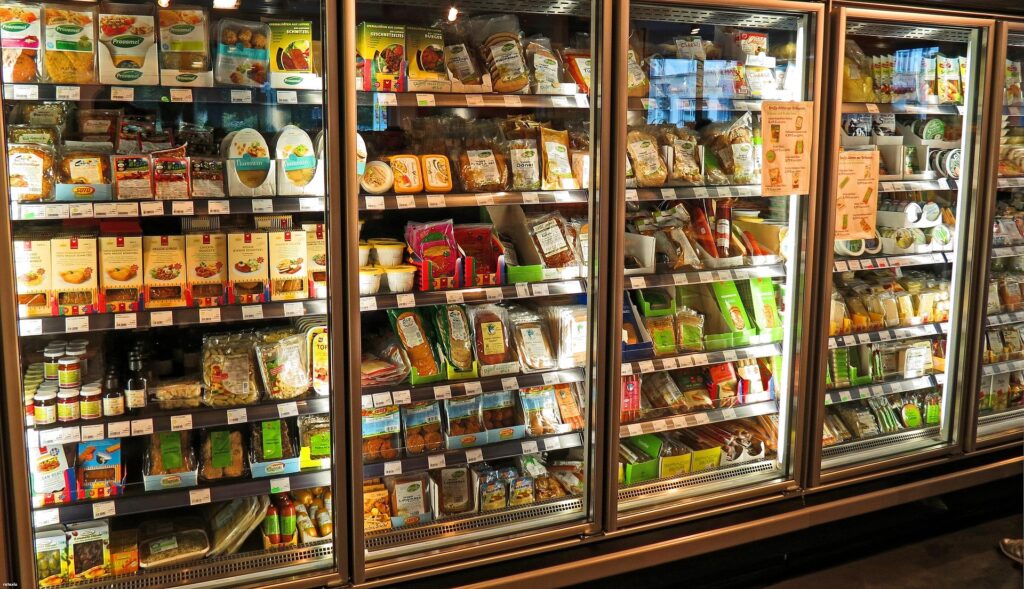
Why? The ultra-processed foods didn’t trigger normal satiety signals. Participants felt less full, ate faster, and consumed more before their bodies registered they’d had enough. The industrial formulation literally bypassed their natural appetite regulation. This dovetails with a meta-analysis of almost 900,000 people showing that those who eat the most ultra-processed foods are more likely to develop obesity, metabolic syndrome, and related chronic diseases.
This is why James feels hungry an hour after eating a complete meal. His taste buds were satisfied. His brain got its dopamine hit. But his cells are still waiting for actual nutrition – the vitamins, minerals, fiber, and beneficial compounds that should have come with those calories.
The Gut Catastrophe: Where Everything Goes Wrong
Let’s follow what happens inside James’s body throughout a typical day.
7:00 AM: James grabs a protein bar marketed as a healthy breakfast. Within minutes, the fast-absorbed sugars spike his blood glucose and his pancreas releases a burst of insulin. That part is expected.
Less obvious is what’s happening lower down in his gut. The bar also contains a mix of emulsifiers – detergent-like additives that keep texture smooth and prevent ingredients from separating. In animal studies, common emulsifiers like carboxymethylcellulose and polysorbate-80 thin the protective mucus barrier in the intestine, bring bacteria closer to the gut wall, and trigger low-grade inflammation and features of metabolic syndrome.
We don’t yet have the same level of detail in humans, but reviews in immunology show that western-style diets – high in processed fat and sugar, low in fiber – change the microbiome and gut barrier in ways that promote chronic, “background” inflammation. For someone like James, living on bars, frozen meals, and bottled dressings, that’s the daily backdrop his immune system is working in.
Over time, this can create increased intestinal permeability. When your gut barrier becomes more porous, things that should stay in your digestive tract can escape into your bloodstream: food particles, bacterial fragments, toxins. Your immune system sees these as invaders and launches an inflammatory response.
This is chronic, systemic inflammation – low-grade but relentless, affecting every organ system in your body. Reviews in immunology show that western-style diets – high in sugar and saturated fat, low in fiber – shift the microbiome and gut barrier in ways that promote exactly this kind of chronic, low-grade inflammation. Over time, this environment can nudge the immune system toward overreaction and autoimmunity in susceptible people.
12:30 PM: James microwaves his frozen pasta primavera. Let’s talk about what’s happening in his gut now.
Your intestines house trillions of bacteria – your microbiome. These aren’t just passengers; they’re active participants in your health. They produce vitamins, regulate your immune system, manufacture neurotransmitters, and communicate constantly with your brain.
High-UPF diets are linked to less diverse, less resilient gut microbiomes and to patterns of bacteria that go hand-in-hand with chronic inflammation and metabolic problems. Landmark studies find that emulsifiers alter gut bacteria composition, reducing beneficial species and allowing potentially harmful ones to flourish.
Here’s why this matters: about 90 percent of your body’s serotonin – the neurotransmitter that regulates mood, sleep, and appetite – is produced in your gut. When James’s microbiome shifts under the weight of emulsifiers and preservatives, his serotonin production can take a hit.
Serotonin is essential for mental and physical wellbeing. It regulates mood, sleep-wake cycles, appetite, digestion, pain perception, and even blood clotting. When serotonin signaling becomes dysregulated – for instance, when precursor availability or gut-derived signaling is impaired – people may experience mood and sleep disturbances. This is why many antidepressants (SSRIs – selective serotonin reuptake inhibitors) work by keeping more serotonin available in the brain. But these medications don’t create new serotonin; they just help your body use what’s there more efficiently. If your gut isn’t producing adequate serotonin precursors in the first place, you’re fighting an uphill battle. Why would you systematically undermine your body’s natural production of this critical neurotransmitter through diet?
In one large cohort of more than 10,000 adults, those who ate the most ultra-processed foods had around a one-third higher risk of developing depressive symptoms than those who ate the least, even after accounting for many other lifestyle factors. Similar findings have now been echoed in other long-term studies and pooled analyses.
By afternoon, James thinks he just “doesn’t digest food well anymore,” not realizing his microbiome has been quietly shifting for years.
The Hormonal Cascade: When Your Metabolism Breaks Down
Three months ago, James’s doctor ran blood work after he complained about weight gain, fatigue, and feeling cold constantly. The results showed elevated thyroid antibodies – early signs of Hashimoto’s thyroiditis, an autoimmune condition where the immune system attacks the thyroid gland.
Research increasingly suggests that the gut-immune connection sits at the center of many autoimmune diseases, including thyroid autoimmunity. Reviews in immunology highlight that western-style diets – which often rely heavily on ultra-processed foods – can disrupt the microbiome, thin the gut’s protective barriers, and keep the immune system in a low-grade state of activation.
In genetically susceptible people, that constant immune “noise” can be one of several factors nudging the body toward autoimmunity, including conditions like Hashimoto’s thyroiditis. It doesn’t mean a frozen meal causes Hashimoto’s on its own, but it does mean that what’s on your plate helps decide how calm or reactive your immune system has to be every single day.
The inflammatory molecules circulating in James’s bloodstream also directly interfere with thyroid hormone production and conversion. Studies show that chronic inflammation reduces conversion of T4 (the inactive thyroid hormone) to T3 (the active form). So even if James’s thyroid produces hormones, his body can’t use them effectively.
Ultra-processed foods also deplete the specific nutrients his thyroid needs: selenium, zinc, iron, and iodine. His UPF-heavy diet provides almost none of these in bioavailable forms.
James’s doctor also mentioned possible early signs of metabolic syndrome – the collection of conditions including insulin resistance, high blood pressure, elevated blood sugar, and abdominal obesity. His ultra-processed diet has been creating the perfect storm: chronic inflammation, gut dysfunction, hormonal chaos, and nutrient depletion.

The Four Pillars Collapse: How Everything Falls Apart
Let’s zoom out. Remember the Four Pillars we’ve talked about – FUEL, MOVEMENT, MIND, and RHYTHM? Ultra-processed foods don’t just mess with one pillar; they quietly loosen the bolts on all four.
FUEL: Ultra-processed foods provide calories but almost no real nutrition. Processing destroys or removes vitamins and minerals naturally present in whole foods. What little nutrition remains is poorly absorbed due to James’s damaged gut lining. His shifted microbiome means he’s also missing vitamins and beneficial compounds that healthy gut bacteria produce. The FUEL pillar isn’t just weak – it’s actively poisoning the others.
MOVEMENT: Chronic inflammation from a disrupted gut doesn’t stay in your intestines. It shows up in your joints, your connective tissue, and your muscles. People who eat a lot of ultra-processed foods report more musculoskeletal pain and stiffness than those who mostly eat whole foods.
For James, that means he joins a gym with good intentions, but every workout leaves him wiped out and achy for days, so he moves less and hurts more. His energy is completely unreliable. During brief glucose spikes, he might feel energized, but it’s jittery and unfocused. During crashes, exercise feels like torture. The inflammatory state has also impaired his mitochondrial function – the powerhouses inside cells that convert fuel into usable energy.
James joined a gym six months ago but cancels more often than he attends. Movement that should feel energizing leaves him exhausted for days. The MOVEMENT pillar has collapsed.
MIND: That breakfast bar creates a glucose spike that briefly boosts his mood through dopamine release. But within two hours, as his blood sugar crashes, cortisol and adrenaline surge. This hormonal cocktail creates anxiety, irritability, and brain fog.
The neuroinflammation from his damaged gut crosses into his brain, affecting neuron function and neurotransmitter production. His disrupted microbiome can’t produce adequate serotonin precursors. Nutrient deficiencies in B vitamins, magnesium, zinc, and omega-3s leave his brain struggling to function optimally.
When he snaps at his partner or forgets what he walked into a room for, he blames stress, not the slow, ongoing hit to his brain chemistry.
RHYTHM: Reviews on diet and sleep show that eating patterns high in sugar and saturated fat and low in fiber – very similar to a typical western or ultra-processed-heavy pattern – are linked with shorter sleep, more nighttime awakenings, and lighter, less restorative sleep.
James’s gut inflammation interferes with melatonin production. Inflammatory molecules suppress melatonin synthesis, making it harder to fall asleep and stay asleep. Even when he falls asleep, blood glucose fluctuations wake him multiple times during the night, preventing deep, restorative sleep.
Poor sleep then creates more cravings for ultra-processed foods the next day. Sleep deprivation increases hunger hormones and decreases fullness hormones. James is trapped: UPFs disrupt his sleep, poor sleep drives UPF cravings, more UPFs further disrupt sleep.
This is the interconnected collapse. Each weakened pillar pulls the others down with it.
Breaking Free: Your Path Forward
If you’ve recognized yourself in James’s story, you might feel overwhelmed. That’s valid. The food industry has spent decades making ultra-processed foods cheaper, more convenient, and more available than real food.
But here’s the truth: you’re not broken, and recovery is absolutely possible.
Learn to identify UPFs. The simplest rule: if the ingredient list contains items you wouldn’t find in a standard grocery store or couldn’t use in your own kitchen, it’s ultra-processed. Look for modified starches, hydrolyzed proteins, emulsifiers (mono and diglycerides, soy lecithin, xanthan gum), flavor enhancers (MSG, disodium inosinate, disodium guanylate, maltodextrin), and “natural flavors” (a catch-all for dozens of chemical compounds). If a product has more than five ingredients, or if the ingredient list reads like a chemistry textbook, put it back.
Start with one meal. Don’t try to overhaul everything overnight. Pick breakfast and replace the ultra-processed option with real food: scrambled eggs with vegetables (10 minutes), Greek yogurt with fresh berries and nuts (3 minutes), overnight oats made with real ingredients (5 minutes prep the night before). Track your energy, mood, and hunger levels after one week. Most people are shocked by the improvements.
Expect withdrawal. When you significantly reduce UPFs, especially in the first week, you may experience intense cravings, headaches, irritability, and fatigue. This isn’t a sign you need these foods – it’s proof you were addicted to them. Your taste buds have been hijacked by flavor enhancers and need time to recalibrate. Research shows the most intense withdrawal symptoms typically peak around days 3-5 and significantly improve by days 10-14.
Real food tastes amazing. After two weeks of eating primarily whole foods, something remarkable happens: real food starts tasting incredible. That strawberry that seemed bland suddenly tastes like concentrated summer. That roasted chicken with simple seasonings has layers of flavor you never noticed before. Your taste buds aren’t broken – they’ve just been overwhelmed by industrial flavor enhancers. Give them time to recover.
Focus on addition, not deprivation. Instead of obsessing over what you’re removing, focus on what you’re adding: colorful vegetables loaded with fiber and antioxidants, high-quality proteins that keep you satisfied, healthy fats from nuts, avocados, and olive oil, whole grains that provide steady energy, fresh herbs and spices that transform simple ingredients. Each addition actively supports your health, feeds beneficial gut bacteria, reduces inflammation, and provides nutrients your body has been craving.
Your New Beginning
After two weeks, James notices his jeans are looser and his afternoon crashes are shorter. It’s not dramatic, but it’s real.
Six months from now, he could wake up with genuine energy – not artificial stimulation from caffeine and sugar, but steady vitality from a body functioning as designed. His brain fog could clear. His joint pain might ease. His immune system may stabilize over time as his overall inflammation decreases. His metabolic syndrome markers could improve. His mood could stabilize.

This isn’t fantasy – it’s what happens when you remove industrial chemicals that have been sabotaging your health and replace them with real food that supports your four pillars.
The path isn’t always easy, but it’s straightforward once you understand what you’re working with. Every ultra-processed meal you skip, every whole food meal you choose – these aren’t acts of deprivation. They’re acts of self-respect. You’re choosing long-term vitality over short-term convenience.
James’s story doesn’t have to be your story. Start now – not tomorrow, not Monday. Every meal is a new opportunity. You don’t have to be perfect. You just have to be honest and consistent.
Your future self – the one who wakes up refreshed, thinks clearly, moves without pain, and has energy for what truly matters – is waiting for you to take that first step.
Stop guessing, start knowing.
Your Space Today – delivering the science-backed clarity you need, every Tuesday, because your health journey deserves expert guidance.
If you found value in this article, I’d really appreciate it if you’d share it with friends or family who might be struggling with similar issues. Sometimes, understanding that we’re not alone in this struggle, and that there are real, science-based explanations for what we’re experiencing – that knowledge alone can be incredibly empowering.
This article is for educational purposes only and does not constitute medical advice, diagnosis, or treatment. Always consult with your healthcare provider regarding any health concerns. You can find detailed information here.
Thank you so much for spending this time with me today. Until next time, take care of yourself. You deserve it.
Scientific References
If you’d like to explore the research behind this article, here are selected peer-reviewed studies supporting the key points discussed:
- Adjibade, M., Julia, C., Allès, B., Touvier, M., Lemogne, C., Srour, B., … & Kesse-Guyot, E. (2019). Prospective association between ultra-processed food consumption and incident depressive symptoms in the French NutriNet-Santé cohort. BMC Medicine, 17(1), 78. https://link.springer.com/article/10.1186/s12916-019-1312-y
- Chassaing, B., Koren, O., Goodrich, J. K., Poole, A. C., Srinivasan, S., Ley, R. E., & Gewirtz, A. T. (2015). Dietary emulsifiers impact the mouse gut microbiota promoting colitis and metabolic syndrome. Nature, 519(7541), 92-96. https://pmc.ncbi.nlm.nih.gov/articles/PMC4910713/
- Chen, X., Zhang, Z., Yang, H., Qiu, P., Wang, H., Wang, F., … & Zhang, D. (2020). Consumption of ultra-processed foods and health outcomes: a systematic review of epidemiological studies. Nutrition Journal, 19(1), 86. https://pubmed.ncbi.nlm.nih.gov/32819372/
- Gómez-Donoso, C., Sánchez-Villegas, A., Martínez-González, M. A., Gea, A., Mendonça, R. D., Lahortiga-Ramos, F., & Bes-Rastrollo, M. (2020). Ultra-processed food consumption and the incidence of depression in a Mediterranean cohort: the SUN Project. European Journal of Nutrition, 59(3), 1093-1103. https://pubmed.ncbi.nlm.nih.gov/31055621/
- Hall, K. D., Ayuketah, A., Brychta, R., Cai, H., Cassimatis, T., Chen, K. Y., … & Zhou, M. (2019). Ultra-processed diets cause excess calorie intake and weight gain: an inpatient randomized controlled trial of ad libitum food intake. Cell Metabolism, 30(1), 67-77. https://pubmed.ncbi.nlm.nih.gov/31105044/
- Lane, M. M., Davis, J. A., Beattie, S., Gómez-Donoso, C., Loughman, A., O’Neil, A., … & Marx, W. (2021). Ultraprocessed food and chronic noncommunicable diseases: A systematic review and meta-analysis of 43 observational studies. Obesity Reviews, 22(3), e13146. https://pubmed.ncbi.nlm.nih.gov/33167080/
- Monteiro, C. A., Cannon, G., Levy, R. B., Moubarac, J. C., Louzada, M. L., Rauber, F., … & Jaime, P. C. (2019). Ultra-processed foods: what they are and how to identify them. Public Health Nutrition, 22(5), 936-941. https://pmc.ncbi.nlm.nih.gov/articles/PMC10260459/
- Pagliai, G., Dinu, M., Madarena, M. P., Bonaccio, M., Iacoviello, L., & Sofi, F. (2021). Consumption of ultra-processed foods and health status: a systematic review and meta-analysis. British Journal of Nutrition, 125(3), 308-318. https://www.cambridge.org/core/journals/british-journal-of-nutrition/article/consumption-of-ultraprocessed-foods-and-health-status-a-systematic-review-and-metaanalysis/FDCA00C0C747AA36E1860BBF69A62704
- St-Onge, M. P., Mikic, A., & Pietrolungo, C. E. (2016). Effects of diet on sleep quality. Advances in Nutrition, 7(5), 938-949. https://www.sciencedirect.com/science/article/pii/S2161831322007803?via%3Dihub
- Statovci, D., Aguilera, M., MacSharry, J., & Melgar, S. (2017). The impact of western diet and nutrients on the microbiota and immune response at mucosal interfaces. Frontiers in Immunology, 8, 838. https://www.frontiersin.org/journals/immunology/articles/10.3389/fimmu.2017.00838/full