
Heads up! This is the second installment in our series on managing sleep deprivation. If you’ve just landed here, we recommend checking out Part One first to get the full picture before diving in below. Ready to build on what we’ve already covered? Let’s continue…

Remember Steve from Part 1? After two weeks of keeping a sleep diary, he stared at the pages with a mix of recognition and reluctance. The patterns were undeniable: his whiskey nightcap, late-night scrolling, afternoon energy drinks, and those ‘just one more episode’ marathons were stealing his sleep – and his health.
But here’s the thing about Steve: he’s like most of us. He didn’t want to change his comfortable habits. He wanted a shortcut – something that would fix his sleep without giving up his evening routine. So before committing to real change, Steve did what millions do: he turned to social media for quick fixes.
This article follows Steve’s journey through the world of viral sleep hacks, and then – when those inevitably fell short – through the evidence-based strategies that actually worked. If you’re reading this, you’ve probably tried a few shortcuts yourself. No judgment. We all have. Let’s see what Steve learned.
The Social Media Rabbit Hole: Steve’s Quick-Fix Attempts
Armed with his phone and a desperate hope for an easy solution, Steve scrolled through TikTok and Instagram. The algorithm quickly learned what he was looking for, and soon his feed was full of ‘sleep hacks’ promising miraculous results.
The ‘Sleepy Girl Mocktail’ Phase
Steve’s first attempt was the viral ‘Sleepy Girl Mocktail’ – a mix of magnesium powder, tart cherry juice, and sparkling water. Influencers swore it would boost natural melatonin production and deliver deep, restorative sleep.
It tasted… interesting. Sweet, fizzy, with a chalky magnesium aftertaste. The first night, Steve felt sleepy – whether from placebo effect or genuine magnesium relaxation, he couldn’t tell. By night three, though, the fizzy sugar bomb was giving him a stomachache, and he was waking up bloated. The truth is, while magnesium may help some people with muscle relaxation, there’s no controlled research showing this specific combination improves sleep quality. And that tart cherry juice? It contains natural sugars that can cause blood glucose spikes right before bed – exactly what sleep science tells us to avoid.
Steve’s verdict: Maybe helpful for some, but not worth the GI distress. Abandoned after five days.
The Mouth Taping Experiment
Next up: mouth taping. The promise? Breathing through your nose all night would reduce snoring, improve oxygen levels, and leave you feeling refreshed. Steve bought special sleep tape and gave it a try.
Night one was… uncomfortable. Steve woke up in mild panic at 2 AM, ripping the tape off to gasp for air. His nose felt stuffy, and the sensation of not being able to open his mouth triggered anxiety he hadn’t expected. He tried again with a smaller piece of tape, but the result was the same: fragmented sleep, more awakenings, and a lingering sense of suffocation.
Here’s what Steve didn’t know: there are zero randomised controlled trials supporting mouth taping for healthy adults. Sleep physicians universally caution against it – especially for anyone with nasal congestion, sleep apnea, or anxiety. If you can’t breathe through your nose easily while awake, taping your mouth shut at night is a terrible idea. For people with undiagnosed sleep apnea, it could even be dangerous.
Steve’s verdict: Anxious, uncomfortable, and potentially risky. Abandoned after two nights.
The 90-Minute Sleep Cycle Challenge
Determined to ‘biohack’ his way to better sleep, Steve tried timing his sleep in strict 90-minute cycles. The theory was appealing: each sleep cycle lasts about 90 minutes, so waking up at the end of a cycle (after 6 hours, for example) should feel more refreshing than waking mid-cycle.
So Steve set his alarm for exactly 6 hours after bedtime. Except… he couldn’t fall asleep exactly when he wanted. Some nights it took him 30 minutes to drift off. Other nights, he woke up naturally after 20 minutes and lay there worrying about the cycle timing. When the alarm went off, he felt groggy and unrefreshed – not because he’d woken mid-cycle, but because he was chronically sleep deprived.
The problem? Sleep cycles are averages, not fixed intervals. They range from 80 to 120 minutes and vary throughout the night. Forcing yourself to wake after a specific duration ignores individual biology – and if you’re not getting enough total sleep, no amount of cycle optimisation will help.
Steve’s verdict: Overthinking made things worse. Abandoned after one week of exhaustion.
The Melatonin Supplement Attempt
Finally, Steve grabbed a bottle of melatonin from the drugstore. Everyone said it was ‘natural,’ so it must be safe, right? He popped a 5 mg tablet an hour before bed.
The first night, he fell asleep faster. Success! But he also woke up groggy and foggy-headed the next morning – what sleep researchers call a ‘melatonin hangover.’ By the third night, the effect seemed weaker. By the end of the week, Steve was taking melatonin but still scrolling on his phone at midnight, still drinking his evening whiskey, still having caffeine at 4 PM.
Here’s the thing about melatonin: it’s a circadian timing signal, not a sedative. It tells your body ‘it’s nighttime,’ but it doesn’t knock you out. Taking melatonin while simultaneously exposing yourself to bright screens, caffeine, and alcohol is like putting a ‘closed’ sign on a shop while leaving all the lights on and the door wide open. It doesn’t work.
Steve’s verdict: Mildly helpful at first, but not a substitute for fixing the real problems. Still in the medicine cabinet but rarely used.
The Breaking Point
After a month of trying quick fixes, Steve was still exhausted. His sleep diary showed minimal improvement. His weight hadn’t budged. His irritability at work was getting worse. One morning, staring at himself in the bathroom mirror – puffy-eyed, pale, defeated – he had a realization:
The problem wasn’t that he hadn’t found the right hack. The problem was that he was trying to fix his sleep without changing anything about his life. It was time to get serious.
Getting Serious: Steve’s Evidence -Based Sleep Overhaul
Steve sat down with the research materials he’d been avoiding and started reading. What he discovered wasn’t complicated or expensive – but it did require changing his habits. Below is the step-by-step approach Steve followed, organized from easiest to most demanding. If you’re where Steve was – tired of being tired – this roadmap might help you too.
Step 1: Fix Your Sleep Environment (Start Here – It’s Easiest)
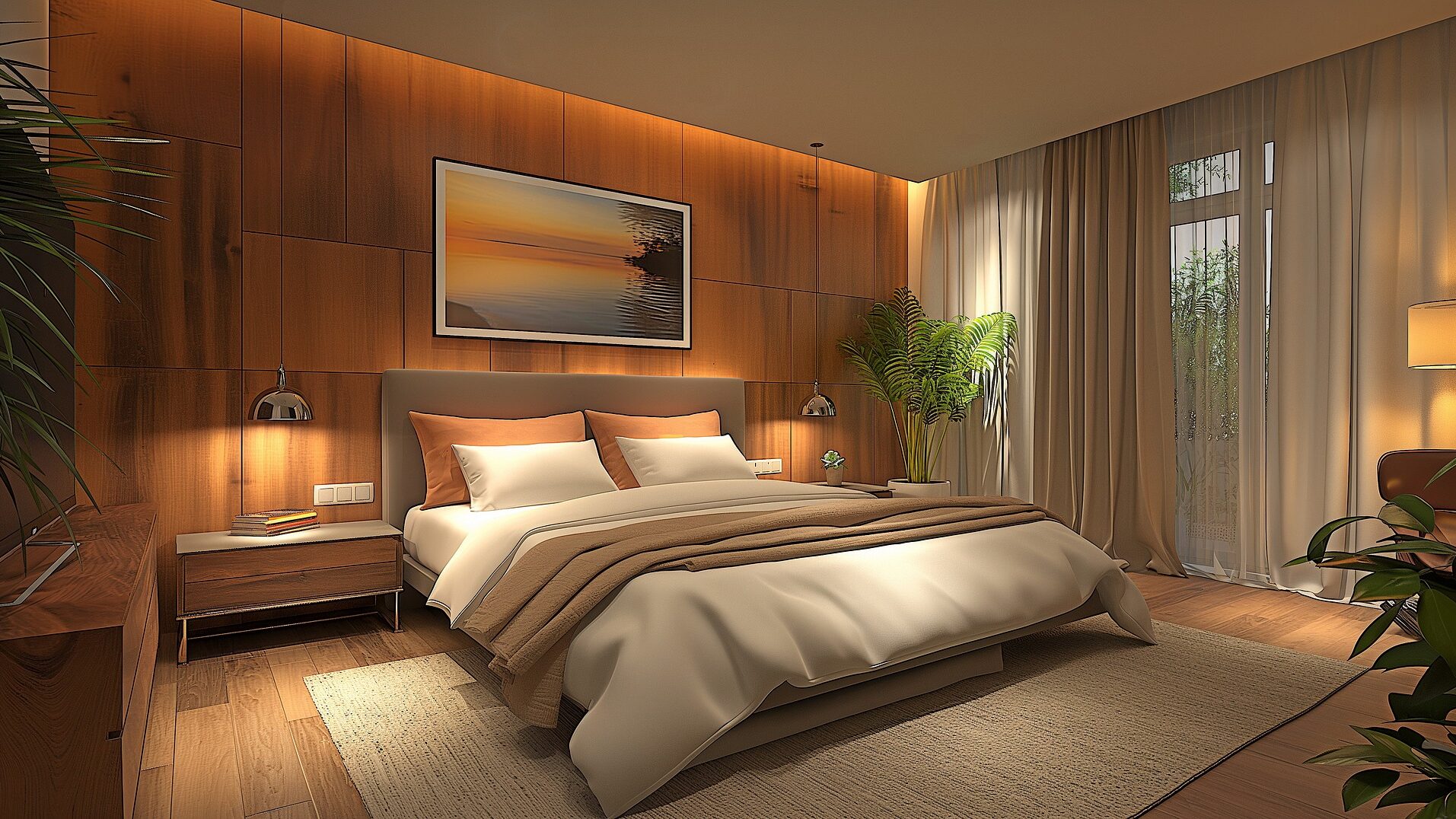
Steve started with the low-hanging fruit: making his bedroom actually conducive to sleep. These changes required no willpower, just a one-time setup.
Temperature: Keep it cool
Research consistently shows that adults sleep best in a cool room – around 65-68°F (18-20°C). Steve had been sleeping in a stuffy, warm bedroom because he thought ‘warm equals cozy.’ But your core body temperature needs to drop to initiate sleep, and a cool room facilitates this. Studies indicate optimal sleep temperatures around 65-68°F (18-20°C) for adults, with efficiency declining above 77°F in some groups (25°C).
Steve did: Lowered the thermostat to 67°F at night. Added a thin blanket he could adjust if he got chilly.
Darkness: Block out every bit of light
Even low levels of light – like streetlights leaking through curtains – suppress melatonin production and shift your circadian rhythm later. Large cohort studies have associated higher outdoor nighttime light exposure with increased risk of cognitive decline and dementia, possibly through chronic circadian disruption.
What Steve did: Installed blackout curtains. Covered the LED lights on his alarm clock and router with black electrical tape. Bought a simple eye mask as backup.
Fresh air: Open a window or run a fan
Indoor CO₂ rises rapidly in closed bedrooms overnight. Research examining bedroom ventilation and sleep quality found that keeping CO₂ below 1,000 ppm – and ideally around 800 ppm – reduces the risk of disturbed sleep. For context, outdoor air is typically 420 ppm, while a closed bedroom with two people can exceed 1,500 ppm by morning.
What Steve did: Cracked his bedroom window about 2 inches, even in winter. On still nights, he ran a quiet fan for air circulation. This simple change meant breathing fresher air all night instead of re-breathing stale air for eight hours – and he noticed fewer mid-night awakenings and less morning grogginess.
Sound: Create consistent background noise
Sudden noises – a car door slamming, a partner’s snoring, a dog barking – can fragment sleep even if you don’t fully wake. White noise or a fan masks these disruptions.
What Steve did: Started running a small fan year-round for gentle white noise. On particularly noisy nights, added foam earplugs.
Why this works: Environmental changes don’t require daily discipline – you set them up once and benefit every night. Within a week, Steve noticed he was falling asleep faster and waking up less often.
Step 2: Time Your Bath or Shower (Surprisingly Effective)
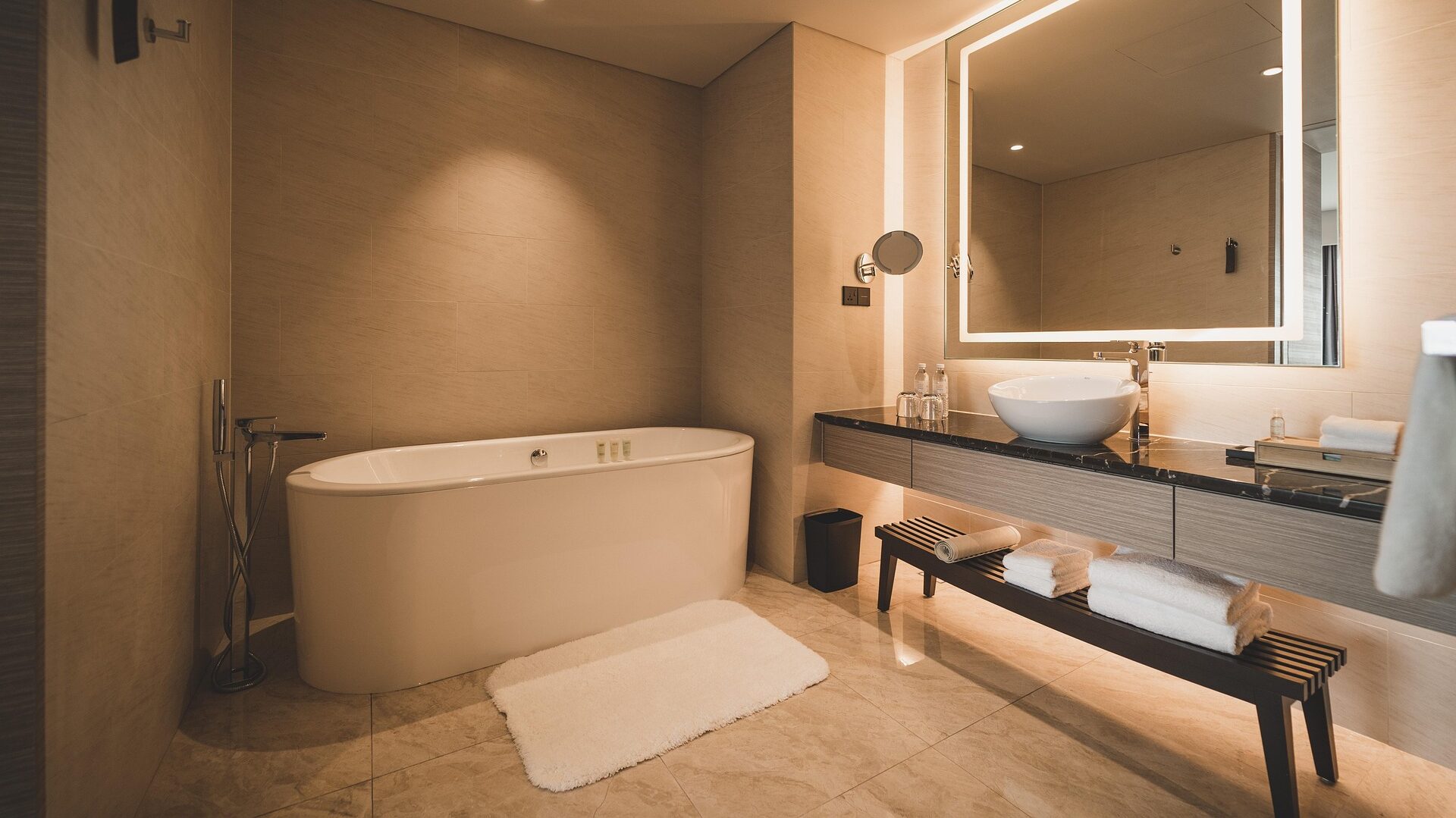
Steve had always showered in the morning, but research suggested a different approach. A systematic review and meta-analysis found that warm baths or showers (around 104-109°F / 40-43°C) taken 1-2 hours before bedtime modestly shorten sleep onset time and increase sleep quality. The mechanism? After the bath, your body temperature drops as blood vessels dilate to release heat – and this cooling signals your brain that it’s time to sleep.
What Steve did: Shifted his shower to 90 minutes before bed – around 9:30 PM if he aimed to sleep by 11 PM. Made it warm (not scalding) and stayed in for 10-15 minutes.
Bonus: He used this time to mentally wind down, avoiding screens in the bathroom. It became a ritual that separated his day from his night.
Step 3: Manage Light Exposure (Morning Bright, Evening Dim)
This was where Steve had to change actual habits, but the science was too compelling to ignore.
Morning: Get bright light as soon as possible
Bright morning light – ideally from the sun – acts on specialised cells in your retina that project to your brain’s master circadian clock. Exposure soon after waking suppresses residual melatonin and triggers a robust cortisol rise, helping set your circadian phase so melatonin rises earlier in the evening. Research shows that even 20-30 minutes of outdoor light anchors your internal clock.
What Steve did: Started taking his morning coffee outside – just 15 minutes on his small balcony, even on cloudy days. On weekends, he went for a short walk before breakfast. No sunglasses during this time (unless driving).
Evening: Dim everything down 1-2 hours before bed
Even moderate indoor lighting in the evening suppresses melatonin, delays its onset, and shifts your circadian clock later. This is why you get that ‘second wind’ of alertness at 11 PM even though you were exhausted at 8 PM – bright lights are telling your brain it’s still daytime.
What Steve did:
• Replaced bright overhead lights with warm-toned lamps (2700K bulbs) in his living room and bedroom
• After 9 PM, dimmed those lamps further or used only one small lamp
• If he had to use his phone or laptop after 9 PM, he enabled ‘night shift’ mode and reduced screen brightness to minimum
Honest talk: This was hard. Steve loved his evening TV shows and phone scrolling. But he noticed that on nights when he dimmed the lights and limited screens, he felt sleepy by 10:30 PM instead of wired until midnight. His body was finally getting the signal that nighttime had arrived.
Step 4: Rethink Caffeine, Alcohol, and Evening Food
This step required the most self-honesty and discipline. Steve had to confront his crutches.
Caffeine: Set a cutoff time
Caffeine blocks adenosine receptors in the brain – the chemical that builds sleep pressure. With a half-life of 3-7 hours, a 4 PM coffee still has significant caffeine in your system at bedtime, delaying sleep onset and reducing deep sleep. Studies show that caffeine taken even 6 hours before bed disrupts sleep, even when people subjectively feel they’re sleeping fine.
What Steve did: Moved his caffeine cutoff to 2 PM. Switched his afternoon coffee and energy drinks to herbal tea or sparkling water. The first week was rough – he felt sluggish around 3 PM. By week two, his natural energy improved and he no longer needed the artificial boost.
Alcohol: The hardest conversation
Steve’s evening whiskey wasn’t just a drink – it was a ritual, a boundary between work and home, a way to unwind. But the research was unambiguous: alcohol fragments sleep in the second half of the night, reduces REM sleep, and increases awakenings. Even moderate amounts worsen sleep quality.
What Steve did: He didn’t quit entirely – that felt unrealistic. Instead, he made two rules:
1. No alcohol within 3 hours of bedtime (so if he aimed to sleep at 11 PM, last drink by 8 PM)
2. Limited himself to one drink on weeknights, saving two drinks for special occasions
He replaced his evening whiskey ritual with a warm cup of herbal tea (chamomile or passionflower) while sitting in his favourite chair. It wasn’t the same – but after two weeks, he noticed he was sleeping more deeply and waking less often at 3 AM.
Evening food: Light and early
Heavy meals, high-fat foods, or sugary snacks close to bedtime slow digestion, increase reflux risk, and cause blood sugar fluctuations that can wake you up mid-sleep. Most sleep guidelines recommend finishing meals 2-3 hours before bed.
What Steve did: Moved dinner to 7 PM instead of 9 PM. If he felt hungry before bed, he had a small snack like a handful of nuts, a banana, or a slice of toast with almond butter – not chips or cookies.
Step 5: Build a Pre-Sleep Wind-Down Routine
One of the biggest mistakes Steve had been making was going from ‘100% awake and stimulated’ at 10:45 PM to ‘trying to sleep’ at 11 PM. Your brain needs a runway, not a cliff.
What Steve did: Created a consistent 60-90 minute wind-down routine:
• 9:30 PM: Warm shower
• 10:00 PM: Dim lights, no more screens
• 10:15 PM: Herbal tea and light reading (physical book, not phone)
• 10:45 PM: ‘Brain dump’ journaling – writing down any worries or to-dos for tomorrow
• 11:00 PM: Lights out, 5 minutes of box breathing (inhale 4, hold 4, exhale 4, hold 4)
The key insight? This routine wasn’t about rigid rules – it was about creating predictable signals that told his body ‘sleep is coming.’ After about 10 days, Steve noticed he started yawning around 10:30 PM. His body was learning.
Step 6: Address Revenge Bedtime Procrastination
Steve’s late-night scrolling and binge-watching weren’t random – they were his way of reclaiming time for himself after a day of obligations. Researchers call this ‘revenge bedtime procrastination’: sacrificing sleep to get some personal time.
The problem? That stolen time came at the cost of his health, energy, and mood the next day.
What Steve did:
1. Protected daytime ‘me time’: Blocked 30 minutes in his calendar three times a week for activities he enjoyed – a walk, reading, gaming, whatever felt restorative
2. Set episode limits: Committed to watching one episode max on weeknights, saved binge-watching for Friday nights when he could sleep in Saturday
3. Used phone timers: Set his phone to automatically go into ‘do not disturb’ mode at 10 PM, with apps like social media restricted after that time
It wasn’t perfect. Some nights Steve still stayed up too late. But most nights, he honored his need for rest – and found that when he actually slept enough, he enjoyed his daytime life more anyway.
Step 7: Add Daytime Movement and Morning Light
Regular physical activity is one of the most evidence-backed sleep interventions. Exercise increases adenosine (sleep pressure) in the brain and improves sleep duration, onset, and quality. The catch? Timing matters. Vigorous exercise too close to bedtime can raise core body temperature and stress hormones, making it harder to fall asleep.
What Steve did: Committed to 30 minutes of moderate exercise (brisk walking, cycling) at least 4 times per week, finishing by 6 PM at the latest. On days he couldn’t fit in formal exercise, he took a 15-minute walk at lunch.
Combined with morning sunlight exposure (remember his coffee on the balcony?), this helped anchor his circadian rhythm and build genuine sleepiness by bedtime.

Step 8: The 20-Minute Rule (Stop Forcing It)
Despite all these changes, some nights Steve still couldn’t fall asleep. The old Steve would lie there, frustrated, checking the clock every 15 minutes. The new Steve learned a crucial technique from cognitive-behavioural therapy for insomnia (CBT-I): don’t force it.
The 20-minute rule: If you’ve been in bed for 20 minutes and aren’t asleep (or if you wake up and can’t fall back asleep), get up. Leave the bedroom. Do something quiet and boring in dim light – read a dull book, do gentle stretches, fold laundry. Return to bed only when you feel sleepy.
Why it works: You’re retraining your brain to associate bed with sleep, not with frustration and wakefulness. This is a core principle of CBT-I, the gold-standard treatment for chronic insomnia.
What Steve did: Kept a boring book (a dense historical biography) on his living room table. On nights he couldn’t sleep, he got up, read a few pages under a dim lamp, and returned to bed when his eyelids felt heavy. Usually it took 15-20 minutes. He stopped fighting insomnia and started working with his body instead.
Beyond Steve’s Eight Steps: More Tools to Try
Steve chose the strategies above because they fit his life and addressed his specific problems. But sleep improvement isn’t one-size-fits-all. Here are two additional techniques that many people find helpful, especially if stress and muscle tension are keeping you awake:
Progressive Muscle Relaxation (PMR)
Progressive muscle relaxation is a technique where you systematically tense and then release different muscle groups throughout your body – starting with your toes and working up to your head, or vice versa. The process serves two important functions: first, it physically releases the tension many of us carry in our shoulders, neck, jaw, and back without even realising it. Second, it occupies your mind with a simple, structured task, leaving no room for the racing thoughts and worries that often sabotage sleep.
If you’ve never tried PMR before, it’s much easier to learn by following someone’s voice guiding you through each step. The rhythm and pacing help you stay focused without overthinking it. We’ll soon be launching a playlist of guided progressive muscle relaxation recordings on our YouTube channel – designed specifically for bedtime use, with calm narration and no jarring interruptions. Follow our profile to be notified when these recordings go live. In the meantime, you can find similar guided sessions by searching ‘progressive muscle relaxation for sleep’ on YouTube or using meditation apps.
Acupressure Mats for Physical Tension
If chronic stress has left your muscles tight and knotted – especially in your back, shoulders, or neck – an acupressure mat can be a surprisingly effective tool. These mats are covered with thousands of small plastic points that stimulate pressure receptors in your skin, promoting blood flow and triggering the release of endorphins, your body’s natural painkillers. Many people find that 15-30 minutes on an acupressure mat helps them relax deeply before bed.
A few important tips if you try this:
• Start slowly. The first time can feel intense – almost uncomfortable – as your body adjusts to the sensation. Begin with just 5-10 minutes and gradually work up to longer sessions.
• Wear a thin shirt at first if lying directly on the mat feels too intense. You can remove the shirt as you get used to it.
• Set a timer on your phone. This is crucial. The deep relaxation can be so effective that you might actually fall asleep on the mat – and waking up after an hour or two with all those pressure points still engaged can be painful and leave you with temporary soreness or marks. A 20-30 minute timer ensures you get the benefits without overdoing it.
• Use it 30-60 minutes before bed, not right before you want to sleep. This gives your body time to release the tension while you’re still awake, so you can transition smoothly into your wind-down routine.
These tools – progressive muscle relaxation and acupressure mats – are just two more options in your sleep toolkit. Not everyone will need them, but if you’re someone who carries physical or mental tension into bed, they’re worth exploring. The goal is always the same: find what works for your body and your life, and give yourself permission to experiment until you find your own version of Steve’s success story.
Steve’s Results: What Changed After 8 Weeks
Steve didn’t transform overnight. The first two weeks were hard – he felt tired during the day, irritable from reduced caffeine, and slightly resentful about giving up his evening habits.
But by week 4, something shifted. He started waking up before his alarm – not groggily dragging himself out of bed, but naturally, feeling rested. His sleep tracker (he’d bought a simple fitness band) showed he was averaging 7.5 hours per night instead of 6, with more time in deep and REM sleep.
By week 8, the changes extended far beyond sleep:
• Energy: Steady throughout the day, no more 3 PM crashes
• Mood: Less irritable, more patient with colleagues and family
• Weight: Lost 8 pounds (3.63 kg) without consciously dieting – his late-night snacking had vanished
• Focus: Sharper concentration at work, fewer mistakes
• Appearance: Face looked less puffy, dark circles faded
Most importantly? Steve felt like himself again. Not perfect, not superhuman – just rested, clear-headed, and capable.
When Good Sleep Hygiene Isn’t Enough: Time to See a Specialist
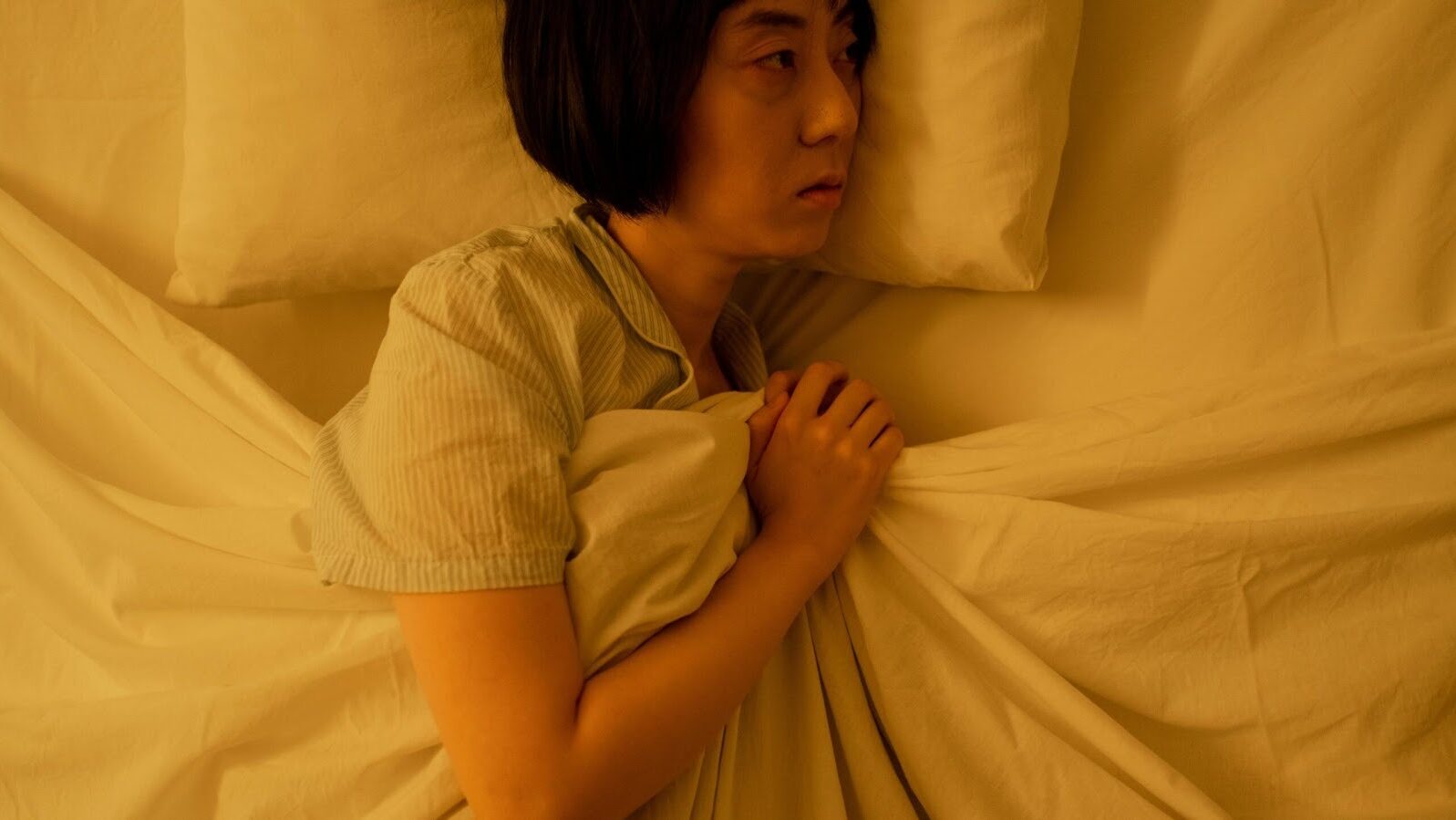
Steve’s story has a good outcome because his sleep problems were primarily behavioural – fixable with lifestyle changes. But not everyone’s sleep issues respond to better habits. If you’ve implemented good sleep hygiene consistently for 4-6 weeks and you’re still struggling, it’s time to talk to a healthcare provider. There may be an underlying medical condition that needs professional diagnosis and treatment.
Here are some sleep disorders and conditions that require medical attention:
Chronic Insomnia
Insomnia means difficulty falling asleep, staying asleep, or waking too early – despite having adequate opportunity to sleep – at least 3 nights per week for 3 months. It causes significant distress or impairment in daily functioning.
When to see a doctor: If sleep hygiene and behavioural strategies don’t help within 4-6 weeks, or if your insomnia is severely affecting your work, relationships, or mental health. Cognitive-behavioural therapy for insomnia (CBT-I) is the first-line treatment and highly effective, often more so than medication.
Sleep Apnea
Obstructive sleep apnea (OSA) causes repeated pauses in breathing during sleep due to airway collapse. You might snore loudly, gasp for air, or wake up choking – though many people don’t remember these episodes. Partners often notice the problem first. Left untreated, sleep apnea triples cardiovascular risk and causes dangerous daytime sleepiness.
When to see a doctor: If you snore loudly, wake up gasping, have been told you stop breathing during sleep, or feel excessively sleepy during the day despite seemingly adequate sleep. Also if you have a high BMI, large neck circumference, or morning headaches. A sleep study (polysomnography or home sleep test) confirms diagnosis; treatment often involves CPAP therapy or oral appliances.
Restless Legs Syndrome (RLS)
RLS causes uncomfortable sensations in your legs – often described as crawling, tingling, or aching – and an irresistible urge to move them. Symptoms peak in the evening and disrupt sleep onset. It affects 5-10% of adults and is often linked to iron deficiency or dopamine issues.
When to see a doctor: If leg discomfort regularly delays your sleep or if over-the-counter approaches (stretching, warm baths, iron supplementation if deficient) don’t help. Blood tests can check ferritin levels; medications that affect dopamine may be prescribed for severe cases.
Narcolepsy
Narcolepsy is a neurological disorder causing excessive daytime sleepiness and sudden, irresistible ‘sleep attacks’ – you might fall asleep during conversations, while eating, or even while driving. Some people also experience cataplexy (sudden muscle weakness triggered by emotions), sleep paralysis, or vivid hallucinations when falling asleep or waking up.
When to see a doctor: If you have overwhelming daytime sleepiness that persists despite adequate nighttime sleep, or if you experience cataplexy, sleep paralysis, or hallucinations. Diagnosis requires a sleep study and sometimes a multiple sleep latency test (MSLT). Treatment includes medications and lifestyle adjustments.
Circadian Rhythm Disorders
These disorders occur when your internal body clock is misaligned with your desired or required sleep schedule. Examples include delayed sleep phase disorder (you naturally fall asleep very late and wake late – common in teens and young adults) or shift work disorder (difficulty sleeping due to working night shifts or rotating schedules).
When to see a doctor: If you consistently can’t fall asleep until very late (e.g., 2-4 AM) despite wanting to sleep earlier, or if shift work is causing chronic sleep deprivation and health problems. A sleep specialist can prescribe timed light therapy, melatonin, or other chronotherapy treatments.
Perimenopause and Menopause
Women in perimenopause (typically late 30s to 50s) often experience sleep disruption due to hot flashes, night sweats, and hormonal fluctuations. Estrogen and progesterone levels drop erratically, which can fragment sleep and mimic insomnia. This affects 40-60% of women going through the menopausal transition.
When to see a doctor: If sleep disruption persists for more than 3 months and coincides with other menopausal symptoms (irregular periods, hot flashes, mood changes). Hormonal testing and symptom tracking can guide treatment. Options include CBT-I, hormone therapy, or other medical interventions depending on severity.
Chronic Sleep Deprivation Due to Life Circumstances
Sometimes sleep problems aren’t a disorder – they’re a consequence of life circumstances: new parenthood, caregiving responsibilities, demanding work schedules, or chronic stress. These situations don’t always have medical solutions, but a healthcare provider can help you optimise what sleep you can get, screen for secondary health consequences (like hypertension or depression), and connect you with support resources.
The bottom line: If you’ve genuinely tried good sleep hygiene for at least a month and you’re still exhausted, don’t suffer in silence. Sleep disorders are real medical conditions with effective treatments. Your health and quality of life are worth professional attention.
Final Thoughts: Your Sleep Journey Starts Now
Steve’s story isn’t exceptional – it’s ordinary. Millions of people live the way Steve used to: exhausted, relying on stimulants and quick fixes, stuck in patterns they know aren’t serving them. What made Steve’s journey successful wasn’t willpower or perfection – it was the decision to stop looking for shortcuts and start addressing the real problems.
If you’re reading this, you’re probably where Steve was: tired of being tired, ready to try something different. Here’s the roadmap:
1. Start with the easy wins: Cool, dark, quiet bedroom. Blackout curtains. Fresh air. These require no daily discipline.
2. Add the next layer: Warm evening shower 90 minutes before bed. Morning sunlight. Dim lights after 9 PM.
3. Address your habits: Caffeine cutoff (2 PM). Alcohol limits (none within 3 hours of bed). Light dinner. These require commitment but deliver huge benefits.
4. Build your wind-down: 60-90 minute pre-sleep routine that’s consistent and screen-free.
5. Protect your time: Schedule daytime breaks so you’re not ‘revenging’ at bedtime. Limit evening episodes.
6. Move your body: Exercise during the day, not right before bed.
7. Don’t force it: 20-minute rule. Get up if you can’t sleep. Retrain your brain to associate bed with rest, not frustration.
8. Consider additional tools: Progressive muscle relaxation for racing thoughts. Acupressure mat for physical tension. Follow us for guided recordings coming soon.
You don’t have to do all of this at once. Start with one or two changes, build the habit, then add another. Progress, not perfection.
And if, after a solid month of trying, you’re still struggling? See a doctor. There’s no shame in needing professional help. Sleep disorders are common, treatable, and worth addressing.

Ready to try again?
Remember the 14-Day Sleep Diary from Part 1? Pull it out again. This time, track not just your problems, but your experiments. Note which changes you implement, how they feel, what improves. Be honest. Be patient. Be consistent.
Your body wants to sleep well. It’s designed for it. You’re not broken – you’ve just been working against your biology. Now you know how to work with it instead.
Sweet dreams.
This is Your Space Today – delivering the science-backed clarity you need every week because your health journey deserves expert guidance.
If you found value in this article, please consider sharing it with friends or family who might be struggling with similar issues. Understanding that we are not alone in this struggle, and that there are real, science-based solutions, can be deeply empowering.
This article is for educational purposes only and does not constitute medical advice, diagnosis, or treatment. Always consult with your healthcare provider regarding any health concernsThis article is for educational purposes only and does not constitute medical advice, diagnosis, or treatment. Always consult with your healthcare provider regarding any health concerns. You can find detailed information here.
Scientific References
If you’d like to explore the research behind this article, here are selected peer-reviewed studies supporting the key points discussed:
1. Åkerstedt, T., Ghilotti, F., Grotta, A., Zhao, H., Adami, H. O., Trolle-Lagerros, Y., & Bellocco, R. (2019). Sleep duration and mortality – Does weekend sleep matter? Journal of Sleep Research, 28(1), e12712. https://doi.org/10.1111/jsr.12712
2.Akimoto, M., Fan, X., Lan, L., Sekhar, C., Tanabe, S., & Wyon, D. P. (2025). New research on bedroom ventilation and sleep quality suggests that building standards should be revisited (ASHRAE 1837-RP). Science and Technology for the Built Environment, 31(9), 905-916.
https://doi.org/10.1080/23744731.2025.2531317
3. Clark, I., & Landolt, H. P. (2017). Coffee, caffeine, and sleep: A systematic review of epidemiological studies and randomized controlled trials. Sleep Medicine Reviews, 31, 70–78. https://doi.org/10.1016/j.smrv.2016.01.006
4. Drake, C., Roehrs, T., Shambroom, J., & Roth, T. (2013). Caffeine effects on sleep taken 0, 3, or 6 hours before going to bed. Journal of Clinical Sleep Medicine, 9(11), 1195–1200. https://doi.org/10.5664/jcsm.3170
5. Ebrahim, I. O., Shapiro, C. M., Williams, A. J., & Fenwick, P. B. (2013). Alcohol and sleep I: Effects on normal sleep. Alcoholism: Clinical and Experimental Research, 37(4), 539–549. https://doi.org/10.1111/acer.12006
6. Ekholm, B., Spulber, S., & Adler, M. (2020). A randomized controlled study of weighted chain blankets for insomnia in psychiatric disorders. Journal of Clinical Sleep Medicine, 16(9), 1567–1577. https://doi.org/10.5664/jcsm.8636
7. Filippini, T., Costanzini, S., Chiari, A., Urbano, T., Despini, F., Tondelli, M., Bedin, R., Zamboni, G., Teggi, S., & Vinceti, M. (2024). Light at night exposure and risk of dementia conversion from mild cognitive impairment in a Northern Italy population. International Journal of Health Geographics, 23(25). https://doi.org/10.1186/s12942-024-00384-5
8. Haghayegh, S., Khoshnevis, S., Smolensky, M. H., Diller, K. R., & Castriotta, R. J. (2019). Before-bedtime passive body heating by warm shower or bath to improve sleep: A systematic review and meta-analysis. Sleep Medicine Reviews, 46, 124–135. https://doi.org/10.1016/j.smrv.2019.04.008
9. Harding, E. C., Franks, N. P., & Wisden, W. (2019). The temperature dependence of sleep. Frontiers in Neuroscience, 13, 336. https://doi.org/10.3389/fnins.2019.00336
10. Hu, Y., Chen, Y., Lu, K., & Zhou, S. (2020). The conceptualization of revenge bedtime procrastination: A qualitative study. Chinese Journal of Clinical Psychology, 28(6), 1270–1275.
11. Irish, L. A., Kline, C. E., Gunn, H. E., Buysse, D. J., & Hall, M. H. (2015). The role of sleep hygiene in promoting public health: A review of empirical evidence. Sleep Medicine Reviews, 22, 23–36. https://doi.org/10.1016/j.smrv.2014.10.001
12. Tai, Y., Obayashi, K., Yamagami, Y., Yoshimoto, K., Kurumatani, N., Nishio, K., & Saeki, K. (2021). Hot-water bathing before bedtime and shorter sleep onset latency are accompanied by a higher distal-proximal skin temperature gradient in older adults. Journal of Clinical Sleep Medicine, 17(6), 1257–1266. https://doi.org/10.5664/jcsm.9180
13. Leproult, R., Colecchia, E. F., L’Hermite-Balériaux, M., & Van Cauter, E. (2001). Transition from dim to bright light in the morning induces an immediate elevation of cortisol levels. Journal of Clinical Endocrinology & Metabolism, 86(1), 151–157. https://doi.org/10.1210/jcem.86.1.7102
14. Okamoto-Mizuno, K., & Mizuno, K. (2012). Effects of thermal environment on sleep and circadian rhythm. Journal of Physiological Anthropology, 31(1), 14. https://doi.org/10.1186/1880-6805-31-14
15. Qaseem, A., Kansagara, D., Forciea, M. A., Cooke, M., & Denberg, T. D. (2016). Management of chronic insomnia disorder in adults: A clinical practice guideline from the American College of Physicians. Annals of Internal Medicine, 165(2), 125–133. https://doi.org/10.7326/M15-2175
16. Stutz, J., Eiholzer, R., & Spengler, C. M. (2019). Effects of evening exercise on sleep in healthy participants: A systematic review and meta-analysis. Sports Medicine, 49(2), 269–287. https://doi.org/10.1007/s40279-018-1015-0
17. Trauer, J. M., Qian, M. Y., Doyle, J. S., Rajaratnam, S. M., & Cunnington, D. (2015). Cognitive behavioral therapy for chronic insomnia: A systematic review and meta-analysis. Annals of Internal Medicine, 163(3), 191–204. https://doi.org/10.7326/M14-2841
18. Wams, E. J., Woelders, T., Marring, I., van Rosmalen, L., Beersma, D. G., Gordijn, M. C., & Hut, R. A. (2017). Linking light exposure and subsequent sleep: A field polysomnography study in humans. Sleep, 40(12), zsx165. https://doi.org/10.1093/sleep/zsx165
19. Williamson, A. M., & Feyer, A. M. (2000). Moderate sleep deprivation produces impairments in cognitive and motor performance equivalent to legally prescribed levels of alcohol intoxication. Occupational and Environmental Medicine, 57(10), 649–655. https://doi.org/10.1136/oem.57.10.649