
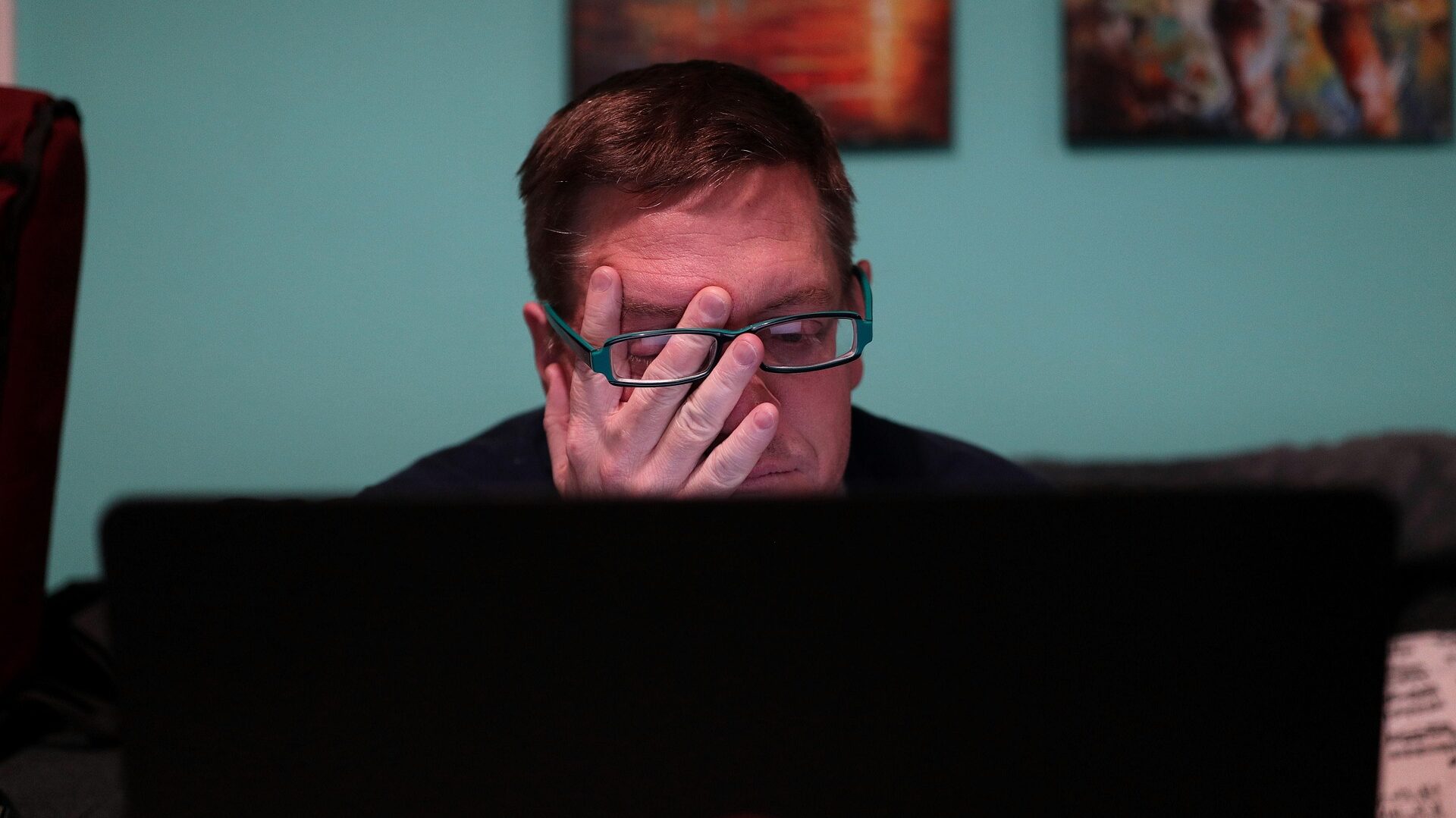
Picture Steve. He’s 50, has a well-paid, responsible job, and his colleagues would probably describe him as successful and reliable. Most evenings, he comes home drained, drops his laptop bag by the door, and tells himself he’ll just decompress for a moment with a glass of whiskey and something salty from the cupboard. That “moment” quietly turns into three episodes, half a bag of chips, a couple of cookies, and scrolling on his phone until well past midnight.
Steve sleeps around six hours a night – sometimes less – and tells himself that this is “just how life is at this age.” In the morning, he drags himself out of bed, stares at his reflection, and notices that his once-lean frame has grown a soft ring of fat around his stomach. Coffee becomes his survival tool; by midday, he’s already on his second mug, and on stressful days he adds an energy drink “just to get through the afternoon.” He promises himself that he’ll get back in shape soon – after this project, after this quarter, after the next busy period.
What Steve doesn’t yet realize is that he’s living in a chronic state of sleep deprivation, and that this quiet thief is undermining his mood, his metabolism, his motivation, and his capacity for joy far more than he thinks. This article won’t tell him what to do yet. Instead, it will help him – and you – see clearly what’s actually going on.
The hidden epidemic of “always tired”
About one-third of adults are estimated to live with significant sleep problems or chronic sleep deprivation, often while insisting that they’re “fine” because they more or less function. Many, like Steve, tick all the boxes of external success yet feel as if they’re moving through life in slow motion, reacting rather than choosing.
Sleep research shows that even moderate, chronic sleep restriction – sleeping 5–6 hours instead of the recommended 7–9 – can impair attention, reaction time, and decision-making in ways comparable to having alcohol in your system. In controlled studies, being awake for 17–19 hours produced impairments similar to a blood alcohol level of around 0.05%, and after 21 hours, performance resembled about 0.08%, the legal limit for driving in many countries. Steve would never drive drunk, yet he routinely expects his brain to perform complex tasks in a state of comparable cognitive impairment.
What really happens during a sleep cycle
To understand why “just a bit less sleep” matters, it helps to know what a normal night of sleep looks like.
Healthy adult sleep moves in repeating cycles that last roughly 90–110 minutes and occur four to six times per night. Each cycle includes non-rapid eye movement (NREM) sleep – divided into stages N1, N2, and deep N3 – and rapid eye movement (REM) sleep. A typical sequence goes N1 → N2 → N3 → back to N2 → REM, and then the pattern repeats.
In the first half of the night, the body spends more time in deep N3 sleep, which is crucial for physical restoration, immune function, and metabolic regulation. In the second half, REM periods become longer, supporting emotional processing, learning, and memory consolidation.
When Steve cuts his sleep to about six hours, he doesn’t just lose “some time in bed” – he compresses and distorts these cycles. Shorter nights often mean less deep sleep and fewer full REM periods, which can leave the body less repaired, the brain’s emotional centers less regulated, and his memory and learning less efficient. Over weeks and months, this pattern contributes to exactly what Steve experiences: fatigue, irritability, weight gain, and a foggy sense that life is harder than it should be.
Those “missing” hours aren’t just lost time in bed – they’re stolen repair cycles. Your body scheduled maintenance for 2 AM that never happened, and tomorrow you’ll pay the price in brain fog and bad decisions.
Your brain’s nightly cleaning crew: the glymphatic system
Here’s something fascinating that Steve probably doesn’t know: while he sleeps, his brain is doing housework. During deep sleep, a remarkable waste-clearance system called the glymphatic system becomes dramatically more active, flushing out metabolic waste that accumulates throughout the day.
Research indicates that during sleep, the brain’s interstitial space – the fluid-filled area between cells – expands substantially, allowing cerebrospinal fluid to flow through brain tissue and help sweep away debris such as beta-amyloid and tau proteins, which are found in increased amounts in several neurodegenerative conditions. Studies suggest that the glymphatic system is most active during deep NREM sleep, and that disrupted or insufficient sleep can impair this clearance.
When Steve consistently cuts his sleep to six hours, he’s not just feeling foggy the next day – he may be missing out on brain maintenance that happens primarily during those lost hours of deep sleep. This does not mean that a few short nights will cause dementia, but chronic sleep restriction over years is associated with a higher vulnerability to cognitive decline as he ages.
While you scroll at midnight, toxic waste is building up in your brain – literally. The cleaning crew only works during deep sleep, and they’re not coming back for a second shift tomorrow.
How much sleep the body actually needs
Most sleep experts and major sleep organizations suggest that adults function best with around 7–9 hours of sleep per night, though there is individual variation. Within that range, the body has enough time to cycle through those 90–110-minute sleep cycles four to six times, accumulating sufficient deep NREM sleep for physical repair and REM sleep for emotional and cognitive processing.
In Steve’s case, six hours means he’s regularly missing at least one full cycle and cutting into the later REM-rich portion of the night. Even if he falls asleep quickly, his total deep sleep and REM sleep time are likely reduced, which can contribute to problems with mood, concentration, metabolic health, and immune resilience. He doesn’t have to be at zero sleep for these effects to appear; repeated partial sleep restriction accumulates like a hidden debt in the brain and body.
Steve’s stimulants: coffee, energy drinks, and that evening whiskey
From Steve’s perspective, his habits are understandable coping strategies: coffee to wake up, an energy drink to push through the afternoon, and whiskey at night to “switch off.” From the body’s perspective, each of these interacts with sleep in ways that quietly deepen the problem.
Coffee: friend and saboteur
Caffeine blocks adenosine, a chemical that builds up in the brain during the day and signals sleepiness. Reviews of controlled trials show that caffeine can increase the time it takes to fall asleep, reduce total sleep time, and decrease the proportion of deep slow-wave sleep, especially at higher doses and when consumed later in the day. A standard dose taken a few hours before bedtime can prolong sleep onset and increase wakefulness during the night, even when people still manage to fall asleep.
For Steve, that second large coffee at 3–4 p.m. or an energy drink late in the afternoon may feel harmless because he can still fall asleep eventually. Yet these findings suggest that his sleep may be lighter, more fragmented, and less restorative, even if he doesn’t consciously connect those effects to caffeine.
Energy drinks: the hidden amplifier
Energy drinks often contain high doses of caffeine along with sugar and other stimulants, which can further disrupt sleep. Studies among university students report that more frequent energy-drink intake is associated with poorer sleep quality, more insomnia symptoms, and shorter or more disrupted sleep.
Steve may reach for an energy drink on especially hard days, telling himself he “needs it to function,” but over time this extra stimulant input can deepen his insomnia loop: poor sleep leads to more tiredness, which leads to more stimulants, which then further erode his ability to get the kind of deep, consolidated sleep his brain and body need.
Alcohol: sleepy but not restorative
Alcohol can make people feel drowsy and help them fall asleep faster, which is one reason Steve associates his evening whiskey with “relaxing.” However, sleep research consistently finds that alcohol fragments sleep later in the night, reduces REM sleep, and increases awakenings as its sedative effect wears off. This pattern can leave people waking earlier than planned, feeling unrefreshed, and experiencing more daytime sleepiness despite technically being in bed for enough hours.
Steve’s nightcap is not a moral failure; it’s a very human attempt to unwind after a demanding day. The difficulty is that, for many people, alcohol quietly undermines the very thing they’re trying to achieve: deeper, more restorative sleep.
The Four Pillars: how sleep deprivation ripples through Steve’s life
The Four Pillars framework is a personal, educational model that synthesizes research into a coherent way of understanding these hidden connections. It is for informational use only and is not a diagnostic or clinical tool.
In this Four Pillars framework, wellbeing rests on four foundations: FUEL, MOVEMENT, MIND, and RHYTHM. Sleep deprivation does not just affect one area – it systematically undermines all four, creating a cascade where each falling pillar pulls the others down.

Pillar 1: FUEL (nutrition and metabolism)
When Steve sleeps poorly, his hunger signals shift. Research links insufficient sleep with increased ghrelin (the hormone that makes you feel hungry) and decreased leptin (the hormone that signals fullness), which is associated with stronger cravings for calorie-dense, processed foods, even when the body’s actual energy needs are met.
The metabolic consequences go deeper. In experimental studies, even a single night of partial sleep deprivation has been associated with about a 20–25% reduction in insulin sensitivity in healthy adults, and repeated sleep restriction can further impair how tissues respond to insulin. Longer interventions show that modest chronic sleep restriction is linked with meaningful increases in insulin resistance in women, including postmenopausal women.
What this means for Steve is that his body becomes less efficient at processing sugar from his blood. His pancreas must produce more insulin to achieve the same effect, and over time, this pattern can contribute to increased abdominal fat and a higher risk of developing type 2 diabetes. Large observational studies indicate that people who regularly sleep fewer than about six hours per night have a substantially elevated risk of diabetes compared to those sleeping seven to eight hours, even after accounting for diet and exercise.
For Steve, this translates into late-night trips to the kitchen, a preference for sweets and salty snacks in the evening, and gradual fat accumulation around the abdomen despite periods of dieting. His body isn’t simply “undisciplined”; it’s responding to hormonal shifts and metabolic changes that make it harder to maintain a stable weight and healthy blood sugar levels when he is chronically tired.
Pillar 2: MOVEMENT (physical foundation)
On paper, Steve could go to the gym before work or take a walk after dinner. In reality, chronic sleep loss makes movement feel like another impossible task. Sleep deprivation reduces exercise motivation, impairs coordination, and lengthens recovery time, partly because deep sleep is when growth hormone is released and tissues repair. People who are chronically tired often adopt more sedentary patterns and postures that contribute to muscle tension and discomfort.
Steve notices that his back feels stiff, his knees ache on the stairs, and his once-fun weekend sports now feel like a risk rather than a release. The less he moves, the more sluggish and heavy he feels, which in turn makes movement even less appealing – another vicious circle.
Pillar 3: MIND (mental and emotional health)
Sleep deprivation has powerful effects on emotional regulation and cognition. Experimental studies show that insufficient sleep impairs the function of brain regions involved in decision-making and self-control, while increasing reactivity in areas linked to fear and threat processing. People often report increased irritability, anxiety, negative thinking, and difficulty letting go of small worries.
Steve recognizes himself in this pattern: he snaps at colleagues over minor mistakes, ruminates late into the night about an offhand comment in a meeting, and struggles to concentrate on complex tasks that once felt easier. His world feels more threatening and less manageable, not because he’s “too sensitive,” but because his sleep-deprived brain is primed to see and react to problems.
The mental health consequences run deeper than day-to-day irritability. Meta-analyses and long-term studies show a strong bidirectional association between chronic insomnia or short sleep and mood disorders such as depression and anxiety. People with persistent insomnia have a markedly higher likelihood of developing depression or anxiety disorders over time, and sleeping six hours or less is linked with an increased risk of later major depressive episodes. The relationship works both ways: depression and anxiety can disrupt sleep, and disrupted sleep can trigger or worsen these conditions, creating a self-perpetuating cycle.
That short fuse and spiral of negative thoughts? It’s not weakness – it’s your sleep-deprived brain treating minor inconveniences like major threats. You’re not too sensitive; your emotional smoke detector is broken.
Pillar 4: RHYTHM (daily habits and circadian health)
Finally, there’s Steve’s daily rhythm itself. On many nights, he stays up later than planned in what researchers call “revenge bedtime procrastination”: sacrificing sleep to reclaim some personal time after a day filled with obligations. He scrolls, streams, snacks, and tells himself that tomorrow he’ll go to bed earlier.
Over time, this pattern disrupts his internal clock. Chronic stress and late-night light exposure can alter cortisol rhythms, flattening the normal pattern of higher cortisol in the morning and lower levels at night. This can make it harder to fall asleep, harder to wake up, and easier to drift into irregular bedtimes and wake times that further fragment sleep. Steve’s rhythm becomes a loop: tired mornings, stimulant-heavy days, wired evenings, short and shallow nights.
The long shadow: how sleep loss threatens your future health
Beyond the immediate fatigue and brain fog, chronic sleep deprivation casts a long shadow over future health. Evidence suggests that the damage can accumulate in ways that extend far beyond metabolic dysfunction.
Your immune system’s sleep dependency
Sleep does not just help lock in memories – it also supports immune memory. Research indicates that sleep deprivation weakens certain aspects of immune function, including responses to vaccination and the activity of natural killer cells, which may leave people more vulnerable to infections. Put simply, trying to fight off bugs while sleep deprived is like trying to fight with one hand tied behind your back.
Your heart under pressure
Sleep loss does not just make you tired – it alters how your cardiovascular system functions. Studies associate insufficient sleep with higher blood pressure, elevated heart rate, and increased inflammatory markers that can damage blood vessels. Adults who regularly sleep fewer than six hours per night have been shown to face a higher risk of developing hypertension, even after accounting for other risk factors.
The mechanisms are complex but consistent: sleep deprivation activates the sympathetic nervous system (the “fight or flight” response), elevates stress hormones like cortisol and norepinephrine, and disrupts the normal nighttime dip in blood pressure that healthy hearts need. Over time, this chronic activation can contribute to arterial stiffness, plaque buildup in arteries, and increased strain on the heart muscle itself.
Large population studies report that people with chronic short sleep have elevated risks of coronary artery disease, heart attack, stroke, heart failure, and certain arrhythmias. Some research finds that adults sleeping five hours or less per night may have up to roughly double the risk of coronary artery calcium buildup – an early marker of heart disease – compared with those sleeping seven to eight hours.
For Steve, this means that his chronic six-hour nights are not just making him tired – they may also be quietly increasing his risk of serious cardiovascular events in the years and decades ahead.
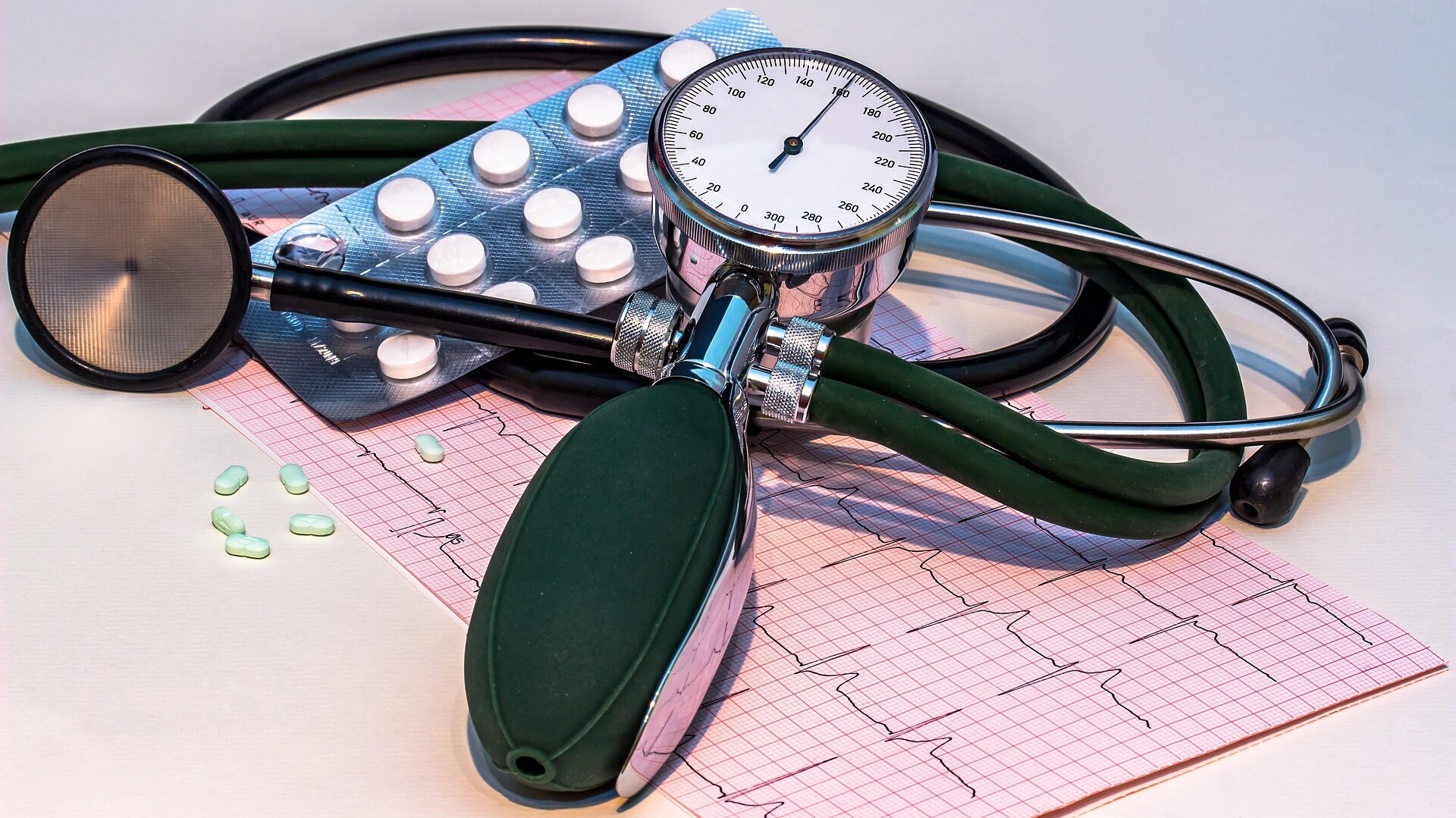
The hours you steal from sleep aren’t free – your heart is paying the price in ways you can’t yet feel. Every short night is a small withdrawal from your future health account.
Your skin: the visible cost of lost sleep
Steve has noticed other changes, too. When he looks in the mirror, his skin looks duller, puffier around the eyes, and somehow older than it should. The fine lines around his eyes seem more pronounced, and his complexion has lost some of its vitality. He attributes this to stress and aging, but lost sleep may also play a role.
During sleep, particularly in the deep stages, the body increases production of collagen and elastin – the structural proteins that help keep skin firm, elastic, and smooth. Growth hormone secretion peaks during deep sleep, driving tissue repair and cellular regeneration. When sleep is cut short or fragmented, this repair work is less complete.
Research on sleep and skin health suggests that chronic poor sleep quality is associated with more visible signs of intrinsic aging, reduced skin barrier function, and slower recovery from stressors such as UV exposure. Elevated cortisol associated with sleep loss can contribute to collagen breakdown and dryness, leading to features like sagging, wrinkles, and a “tired” appearance over time.
For Steve, those extra episodes and late-night scrolling sessions are not just stealing his energy – they may also be contributing to visible signs of premature skin aging.
A historical note: extreme sleep deprivation as torture
It is worth noting – carefully and with appropriate context – that throughout history, extreme sleep deprivation has been used as a form of torture precisely because sleep is so fundamental to human functioning. Historical records document its use by various regimes and interrogators, who understood that preventing someone from sleeping for prolonged periods (often 72 hours or more of nearly continuous wakefulness) could severely impair a person’s mental and physical resilience.
This extreme form of sleep deprivation is fundamentally different from what most people experience in daily life. The torture scenario involves forced, near-total wakefulness under controlled conditions, often combined with physical stress, sensory manipulation, and psychological pressure. It is designed to cause maximum suffering and cognitive breakdown and has been recognized as inhumane treatment by international conventions.
Steve’s situation is nowhere near this extreme. But the principle remains: sleep is not optional. It is not a luxury or a convenience – it’s a biological necessity so fundamental that its prolonged absence can be weaponized. When people routinely short-change their sleep – even by seemingly modest amounts – they are working against a basic biological need. The consequences may unfold slowly rather than dramatically, but they are still real.
Why quick fixes feel so tempting—and rarely work
If Steve searches online for “how to sleep better,” he will find quick tips: one perfect supplement, a special pillow, a blue-light filter, a breathing technique. These can be useful tools, but the Four Pillars framework emphasizes that focusing on one small intervention while ignoring the broader system is like repainting a house with a cracked foundation.
Research on behavior change suggests that complex, interconnected patterns like chronic sleep deprivation usually respond better to comprehensive approaches than to single strategies. That does not mean change must be huge or overwhelming; it means that sustainable progress often comes from understanding how different areas of our bodies interact and then making small, coordinated adjustments across them.
When sleep problems persist despite lifestyle changes, clinical guidelines recommend specific therapies instead of relying primarily on medication. Organizations such as the American College of Physicians and the American Academy of Sleep Medicine recommend cognitive-behavioral therapy for insomnia (CBT-I) as the first-line treatment for chronic insomnia. CBT-I combines behavioral strategies (like sleep restriction and stimulus control), cognitive therapy to address unhelpful thoughts about sleep, and education about sleep hygiene. Studies show that CBT-I can produce results comparable to sleep medication, with fewer side effects and benefits that often last well beyond the end of treatment.
This recommendation reflects an important truth: medication can mask symptoms, while behavioral approaches address the underlying patterns that keep insomnia going. Many people improve after a short course of CBT-I, learning skills they can use for the rest of their lives. The self-observation you are about to do – identifying your own sleep saboteurs – is exactly the kind of careful noticing that forms the foundation of evidence-based sleep treatment.
This first article stops before the “how” and focuses on helping you see the system clearly.
That $1000 smart mattress won’t fix your 11 PM doomscrolling habit. Real sleep improvement isn’t about buying solutions – it’s about seeing the patterns you’ve been blind to.
Your personal sleep challenge: becoming a sleep detective
Rather than offering solutions now, this article invites you into a 14-day self-observation challenge. The goal is not perfection, but awareness.
For the next 14 days, watch your life the way we observed Steve’s life:
- What time do you actually fall asleep and wake up, not just what time you go to bed and set the alarm?
- How many times do you wake during the night, even briefly?
- When during the day do you reach for coffee, energy drinks, or alcohol, and how do you feel before and after?
- What and when do you eat in the evening, especially in the last three hours before bed?
- How much time do you spend in front of screens – phone, laptop, TV – in the 90 minutes before sleep?
- On the days after better sleep, what’s different about your mood, focus, and food choices compared with the days after poor sleep?
You can find a full 14-Day Sleep Diary on our website for free, and it is strongly encouraged that you try it. In just two weeks, you’ll start to see patterns emerge – patterns that can be the basis for meaningful change.
(Download your free 14-Day Sleep Diary – no commitments, just curiosity and self-awareness.)
This diary is not a diagnostic tool, but a place to gather clear evidence about the underlying patterns contributing to your sleep problems. Armed with this knowledge, it will be easier to talk to a specialist and begin making small, conscious changes that can help you move toward more restorative sleep.
It may sound like extra work and a hassle. It is certainly easier to take a quick supplement. But if shortcuts really solved chronic sleep issues, the statistics about sleep problems would not be so concerning. Current clinical recommendations emphasize changes in behavior and environment as a foundation for improving sleep disorders, so the work you put into identifying your saboteurs is unlikely to be wasted – it is often the first step toward lasting improvement.
With this information, it also becomes easier for you to provide accurate, specific answers when speaking with your doctor, which can support faster diagnosis and appropriate treatment if necessary. This observation may reveal patterns you have not noticed – just as Steve might suddenly see how often his “just one drink” and “one more episode” nights line up with his most exhausted mornings.
Setting up the next article: from awareness to action
By the end of these 14 days, you’ll have something most people never possess: a clearer picture of your own sleep saboteurs. For some, it will be late-night caffeine; for others, evening alcohol, irregular bedtimes, doom-scrolling, or a heavy dinner right before lying down. For many, it will be a combination that uniquely fits their life – just as Steve’s pattern is uniquely his.
This first article ends with a promise, not a prescription. In the next installment, we will walk through research-backed strategies for improving sleep: practical changes across the Four Pillars that align with current evidence and respect individual circumstances. For now, the invitation is simple and powerful: stop guessing, start knowing. Before trying to fix anything, get curious about what’s really happening in your nights and days – because, as Steve’s story shows, the first step out of chronic sleep deprivation is seeing the pattern clearly enough that change becomes possible.
Stop guessing, start knowing.
This is Your Space Today – delivering the science-backed clarity you need every week because your health journey deserves expert guidance.
If you found value in this article, please consider sharing it with friends or family who might be struggling with similar issues. Understanding that we are not alone in this struggle, and that there are real, science-based explanations for what we are experiencing, can be deeply empowering.
This article is for educational purposes only and does not constitute medical advice, diagnosis, or treatment. Always consult with your healthcare provider regarding any health concerns.
Thank you for spending this time here today. Until next time, take care of yourself. You deserve it.
Scientific References
If you’d like to explore the research behind this article, here are selected peer-reviewed studies supporting the key points discussed
- Baglioni, C., Battagliese, G., Feige, B., Spiegelhalder, K., Nissen, C., Voderholzer, U., Lombardo, C., & Riemann, D. (2011). Insomnia as a predictor of depression: A meta-analytic evaluation of longitudinal epidemiological studies. Journal of Affective Disorders, 135(1–3), 10–19.
https://doi.org/10.1016/j.jad.2011.01.011 - Benveniste, H., Liu, X., Koundal, S., Sanggaard, S., Lee, H., & Wardlaw, J. (2019). The glymphatic system and waste clearance with brain aging: A review. Gerontology, 65, 106–119.
https://doi.org/10.1159/000490349 - Besedovsky, L., Lange, T., & Born, J. (2012). Sleep and immune function. Pflügers Archiv – European Journal of Physiology, 463, 121–137.
https://doi.org/10.1007/s00424-011-1044-0 - Broussard, J. L., Ehrmann, D. A., Van Cauter, E., Tasali, E., & Brady, M. J. (2012). Impaired insulin signaling in human adipocytes after experimental sleep restriction. Annals of Internal Medicine, 157(8), 549–557.
https://doi.org/10.7326/0003-4819-157-8-201210160-00005 - Calvin, A. D., Covassin, N., Kremers, W. K., Adachi, T., Macedo, P., Albuquerque, F. N., … Somers, V. K. (2014). Experimental sleep restriction causes endothelial dysfunction in healthy humans. Journal of the American Heart Association, 3(6), e001143.
https://doi.org/10.1161/JAHA.114.001143 - Clark, I., & Landolt, H. P. (2017). Coffee, caffeine, and sleep: A systematic review of epidemiological studies and randomized controlled trials. Sleep Medicine Reviews, 31, 70–78.
https://doi.org/10.1016/j.smrv.2016.01.006 - Donga, E., van Dijk, M., van Dijk, J. G., Biermasz, N. R., Lammers, G. J., van Kralingen, K. W., Corssmit, E. P. M., & Romijn, J. A. (2010). A single night of partial sleep deprivation induces insulin resistance in multiple metabolic pathways in healthy subjects. Journal of Clinical Endocrinology & Metabolism, 95(6), 2963–2968.
https://doi.org/10.1210/jc.2009-2430 - Drake, C., Roehrs, T., Shambroom, J., & Roth, T. (2013). Caffeine effects on sleep taken 0, 3, or 6 hours before going to bed. Journal of Clinical Sleep Medicine, 9(11), 1195–1200.
https://doi.org/10.5664/jcsm.3170 - Edinger, J. D., & Means, M. K. (2005). Cognitive-behavioral therapy for primary insomnia. Clinical Psychology Review, 25(5), 539–558.
https://doi.org/10.1016/j.cpr.2005.04.003 - Evbayekha, E. O., Aiwuyo, H. O., Dilibe, A., Nriagu, B. N., Idowu, A. B., Eletta, R. Y., & Ohikhuai, E. E. (2022). Sleep deprivation is associated with increased risk for hypertensive heart disease: A nationwide population-based cohort study. Cureus, 14(12), e33005.
https://doi.org/10.7759/cureus.33005 - Faris, M. A.-I. E. (2017). Energy drink consumption is associated with reduced sleep quality among college students. Nutrition & Dietetics, 74(3), 268–274.
https://pubmed.ncbi.nlm.nih.gov/28731611/ - Goldstein-Piekarski, A. N., Greer, S. M., Saletin, J. M., & Walker, M. P. (2015). Sleep deprivation impairs the human central and peripheral nervous system discrimination of social threat. Journal of Neuroscience, 35(28), 10135–10145.
https://doi.org/10.1523/JNEUROSCI.5254-14.2015 - Jessen, N. A., Munk, A. S., Lundgaard, I., & Nedergaard, M. (2015). The glymphatic system: A beginner’s guide. Neurochemical Research, 40(12), 2583–2599.
https://doi.org/10.1007/s11064-015-1581-6 - Kahan, V., Andersen, M. L., Tomimori, J., & Tufik, S. (2009). Stress, immunity and skin collagen integrity: Evidence from animal models and clinical conditions. Brain, Behavior, and Immunity, 23(8), 1089–1095.
https://doi.org/10.1016/j.bbi.2009.06.002 - Kulkarni, V. A., et al. (2023). Integrative approaches to sleep management in skin disease: A systematic review. JMIR Dermatology, 2(1), e48713.
https://doi.org/10.2196/48713 - Nedergaard, M., & Goldman, S. A. (2020). Glymphatic failure as a final common pathway to dementia. Science, 370(6512), 50–56.
https://doi.org/10.1126/science.abb8739 - Neckelmann, D., Mykletun, A., & Dahl, A. A. (2007). Chronic insomnia as a risk factor for developing anxiety and depression. Sleep, 30(7), 873–880.
https://doi.org/10.1093/sleep/30.7.873 - Oyetakin-White, P., Suggs, A., Koo, B., Matsui, M. S., Yarosh, D., Cooper, K. D., & Baron, E. D. (2015). Does poor sleep quality affect skin ageing? Clinical and Experimental Dermatology, 40(1), 17–22.
https://doi.org/10.1111/ced.12455 - Palmer, C. A., & Alfano, C. A. (2017). Sleep and emotion regulation: An organizing, integrative review. Sleep Medicine Reviews, 31, 6–16.
https://doi.org/10.1016/j.smrv.2015.12.006 - Palmer, C. A., Bower, J. L., Cho, K. W., Clementi, M. A., Lau, S., Oosterhoff, B., & Alfano, C. A. (2024). Sleep loss and emotion: A systematic review and meta-analysis of over 50 years of experimental research. Psychological Bulletin, 150(1), 1–28.
https://doi.org/10.1037/bul0000410 - Pan, Y., Zhou, Y., Shi, X., He, S., & Lai, W. (2023). The association between sleep deprivation and the risk of cardiovascular diseases: A systematic meta-analysis. Biomedical Reports, 19(5), 66.
https://doi.org/10.3892/br.2023.1660 - Qaseem, A., Kansagara, D., Forciea, M. A., Cooke, M., & Denberg, T. D. (2016). Management of chronic insomnia disorder in adults: A clinical practice guideline from the American College of Physicians. Annals of Internal Medicine, 165(2), 125–133.
https://doi.org/10.7326/M15-2175 - Rasch, B., & Born, J. (2013). About sleep’s role in memory. Physiological Reviews, 93(2), 681–766.
https://doi.org/10.1152/physrev.00032.2012 - Roberts, R. E., & Duong, H. T. (2014). The prospective association between sleep deprivation and depression among adolescents. Sleep, 37(2), 239–244.
https://www.ncbi.nlm.nih.gov/pmc/articles/PMC3900610/ - Schutte-Rodin, S., Broch, L., Buysse, D., Dorsey, C., & Sateia, M. (2008). Clinical guideline for the evaluation and management of chronic insomnia in adults. Journal of Clinical Sleep Medicine, 4(5), 487–504.
https://pubmed.ncbi.nlm.nih.gov/18853708/ - StatPearls. (2024). Physiology, Sleep Stages. NCBI Bookshelf.
https://www.ncbi.nlm.nih.gov/books/NBK526132/ - St-Onge, M.-P., Zuraikat, F. M., Rayner, P., Hall, K. D., Goheer, A., Ness, K. M., Broussard, J. L., Howarth, N. C., Booth, A., Aggarwal, B., & Chellappa, S. L. (2023). Chronic sleep restriction in women is associated with increased insulin resistance and tissue-specific insulin resistance. Diabetes Care, 46(11), 2025–2032. https://www.nih.gov/news-events/news-releases/chronic-sleep-deficiency-increases-insulin-resistance-women-especially-postmenopausal-women
- Tomanic, M., et al. (2022). Energy drinks and sleep among adolescents. Nutrients, 14(18), 3797.
https://www.ncbi.nlm.nih.gov/pmc/articles/PMC9502542/ - Trauer, J. M., Qian, M. Y., Doyle, J. S., Rajaratnam, S. M., & Cunnington, D. (2015). Cognitive behavioral therapy for chronic insomnia: A systematic review and meta-analysis. Annals of Internal Medicine, 163(3), 191–204.
https://doi.org/10.7326/M14-2841 - Van Dongen, H. P., Maislin, G., Mullington, J. M., & Dinges, D. F. (2003). The cumulative cost of additional wakefulness: Dose-response effects on neurobehavioral functions and sleep physiology from chronic sleep restriction and total sleep deprivation. Sleep, 26(2), 117–126.
https://academic.oup.com/sleep/article/26/2/117/2709164 - Weibel, J., Lin, Y.-S., Landolt, H.-P., et al. (2020). Caffeine-dependent changes of sleep-wake regulation: Evidence for adaptation after repeated intake. Progress in Neuro-Psychopharmacology and Biological Psychiatry https://doi.org/10.1016/j.pnpbp.2019.109851
- Williamson, A. M., & Feyer, A. M. (2000). Moderate sleep deprivation produces impairments in cognitive and motor performance equivalent to legally prescribed levels of alcohol intoxication. Occupational and Environmental Medicine, 57(10), 649–655.
https://www.ncbi.nlm.nih.gov/pmc/articles/PMC1739867/ - Xie, L., Kang, H., Xu, Q., Chen, M. J., Liao, Y., Thiyagarajan, M., O’Donnell, J., Christensen, D. J., Nicholson, C., Iliff, J. J., Takano, T., Deane, R., & Nedergaard, M. (2013). Sleep drives metabolite clearance from the adult brain. Science, 342(6156), 373–377. https://doi.org/10.1126/science.1241224